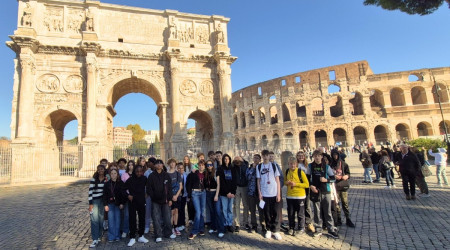
Explore the wonders of Rome, Pompeii and Mt Vesuvius on a two-centre school trip to Sorrento & the Bay of Naples. Tailored itineraries to suit your Classics or Geography learning objectives - crafted by Voyager's own native-Italian team. ATOL protected.
Key stage 3 - 16+
Year round
Uncover the treasures of Rome & Sorrento
This two-centre school trip to Rome and the Bay of Naples gives your students the chance to explore Italy’s most iconic, classical and geographical sites in one memorable tour. Starting in Rome, your group can discover the ancient heart of the Roman Empire with visits to the Colosseum, Roman Forum, and Pantheon, bringing classical civilisation to life.
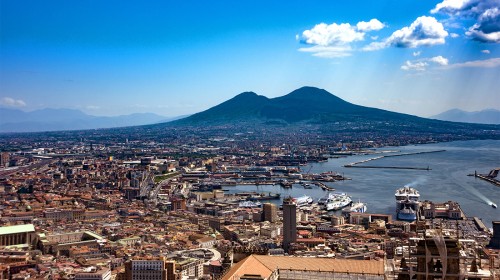
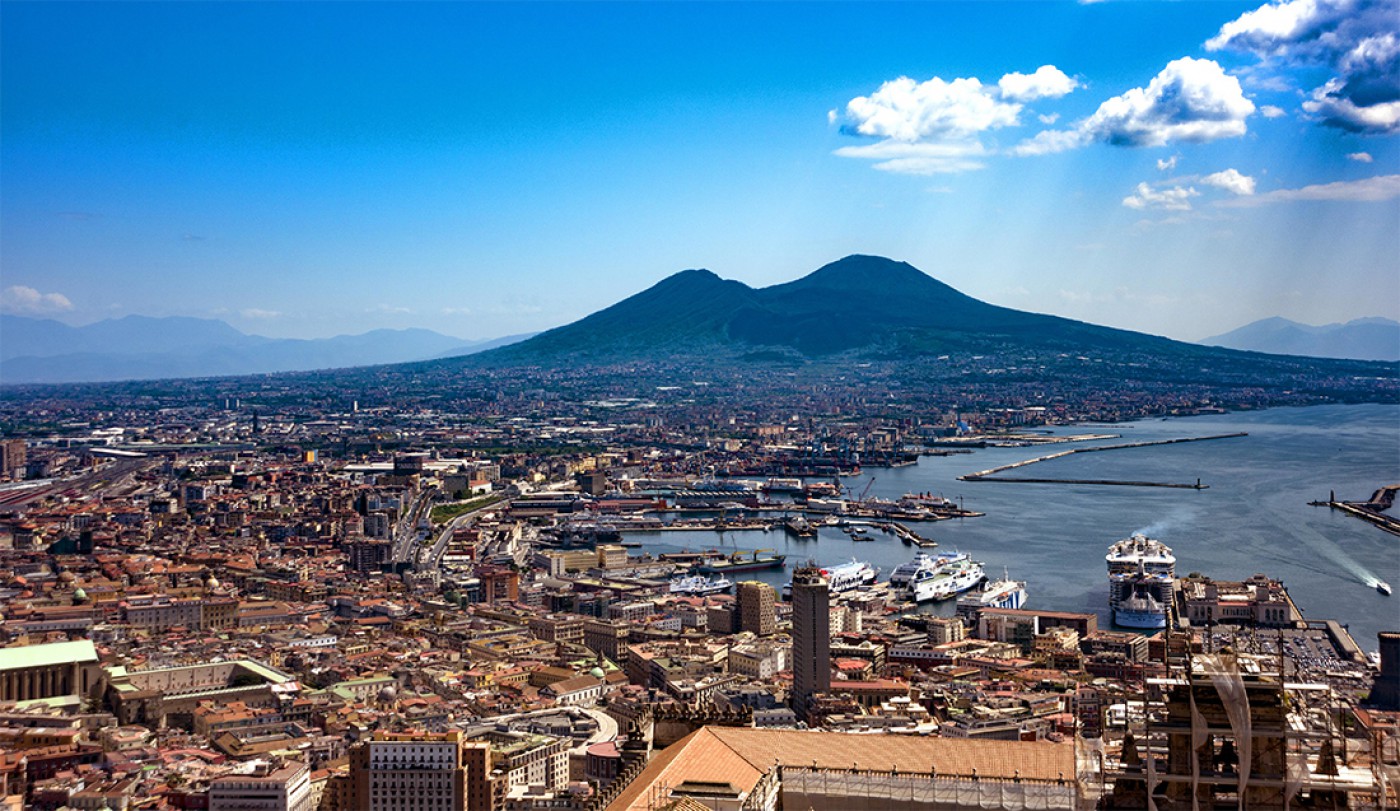
Continuing south to Sorrento, students experience the dramatic landscapes shaped by Mount Vesuvius, the only active volcano on mainland Ital. The region’s rich history—first settled by the Greeks and later absorbed into the Roman Empire—makes it an exceptional destination for Classics students.
The remarkably preserved ruins of Pompeii and Herculaneum offer powerful insight into daily life in ancient times, while the Bay of Naples provides excellent opportunities to explore tectonic processes, volcanology, and how these natural forces have shaped both the landscape and human settlement.
Expert tip: To maximise time on the trip, why not fly into Rome and out of Naples? Ask us to look into the options for your regional airport.
This is a suggested itinerary. If you would like to change the duration of your trip or choose different excursions, just contact us for a bespoke quote.
Day 1 - Rome
Depart the UK on your flight to Rome. Arrive and then meet your transfer. Check into your hotel and then straight out to start your Roman holiday
Pantheon - a beautifully preserved classical monument which is as beautiful on the inside as it is on the outside
Dinner in a local restaurant
Day 2 - Rome
Breakfast and then a day exploring:
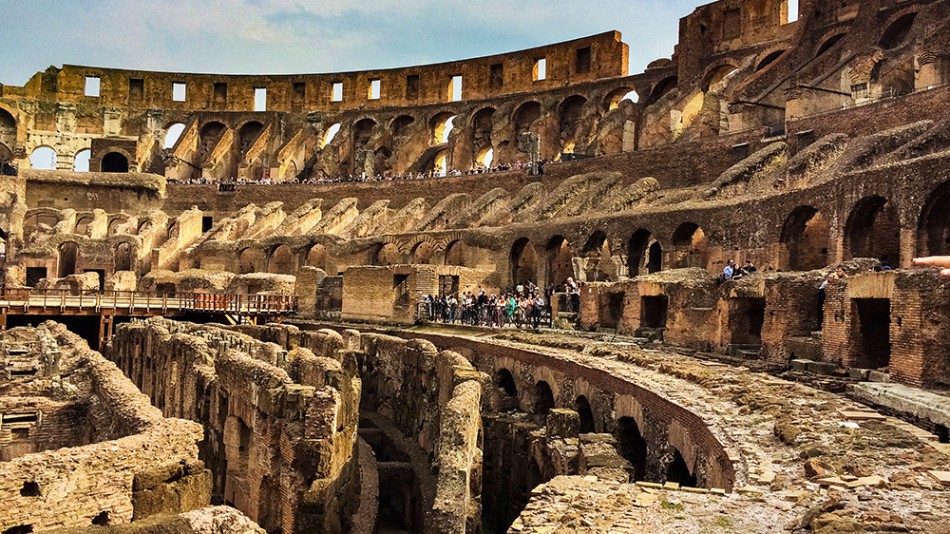
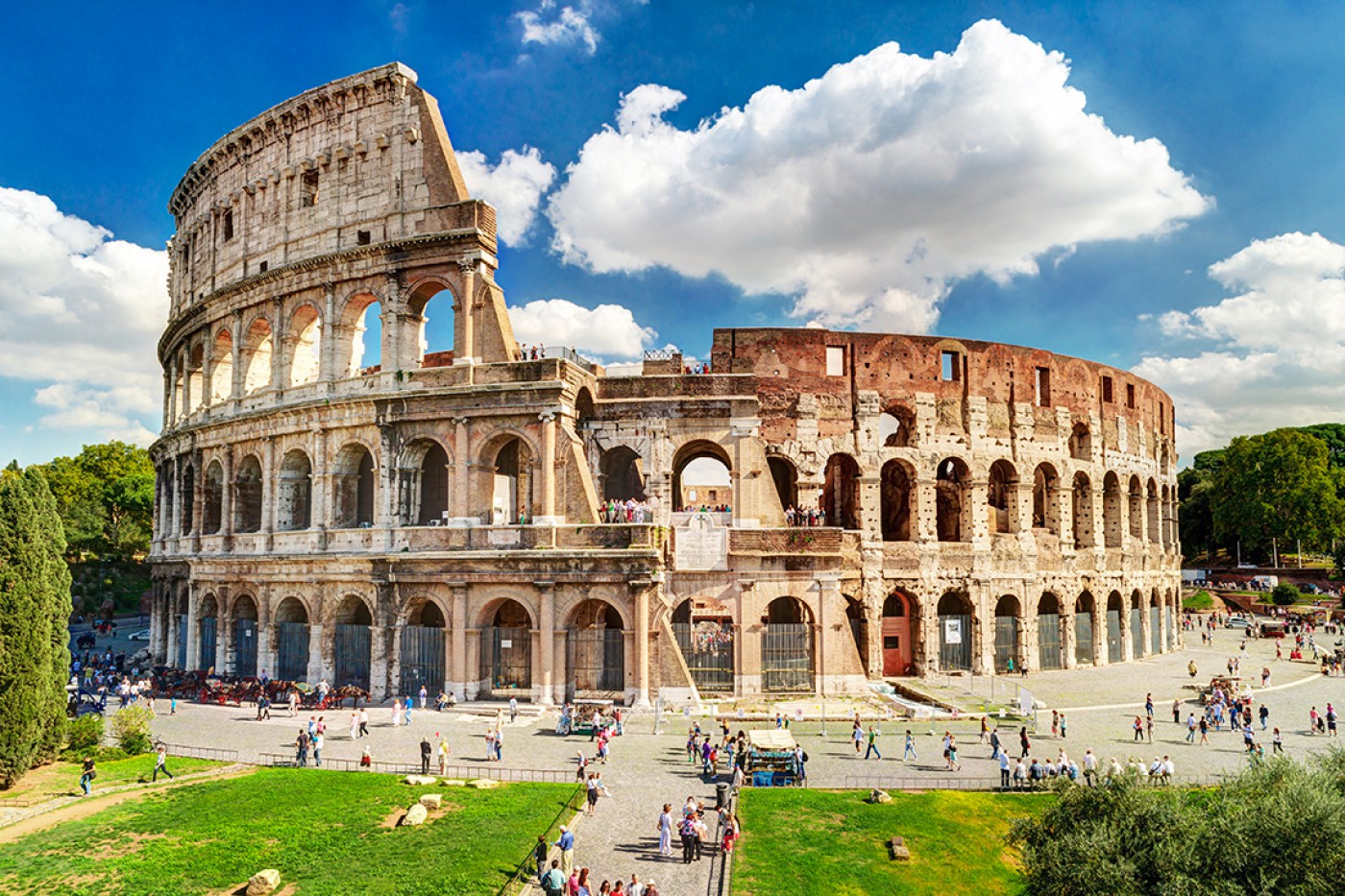
Colosseum - Rome's most famous landmark
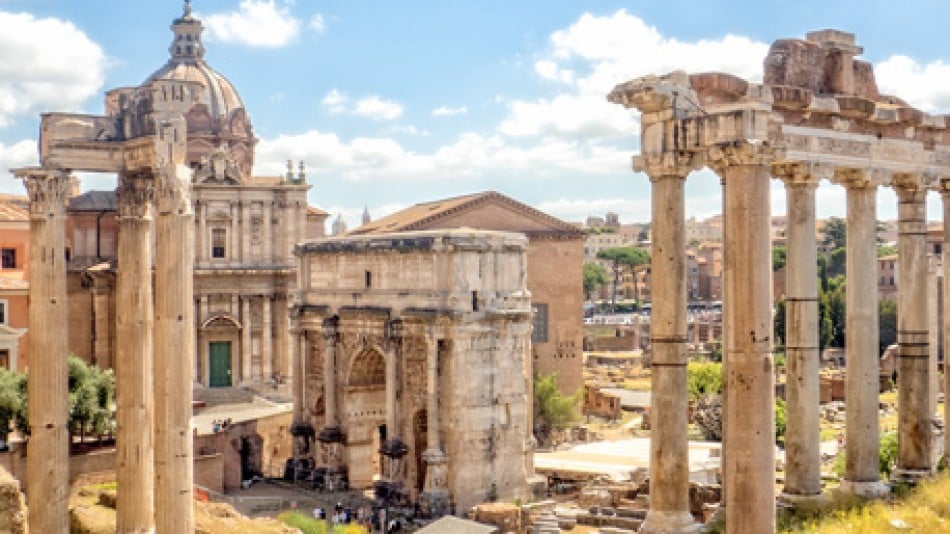
Roman Forum - another place you must-see in Rome
Palatine Hill - offers amazing views of Rome - Augustus, Cicero and Marc Antony all lived on the Hill so you are in good company
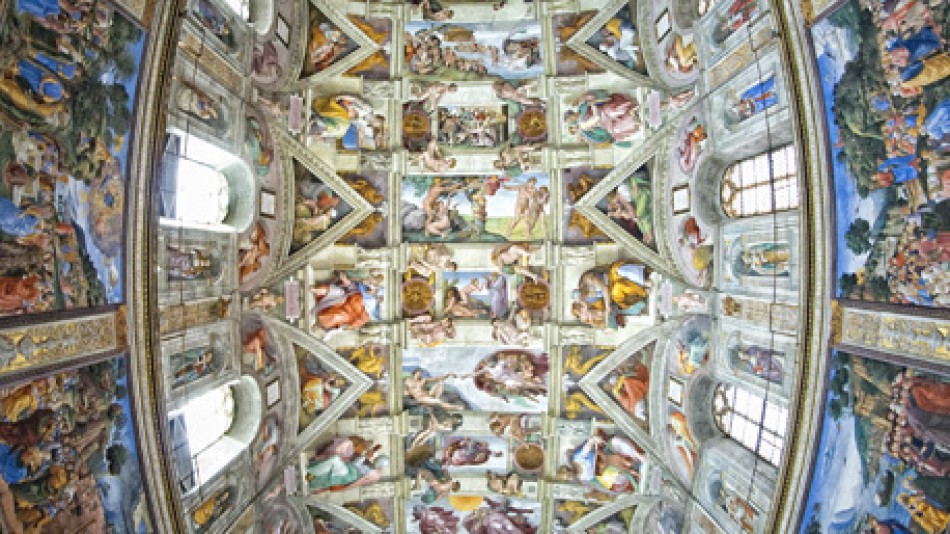
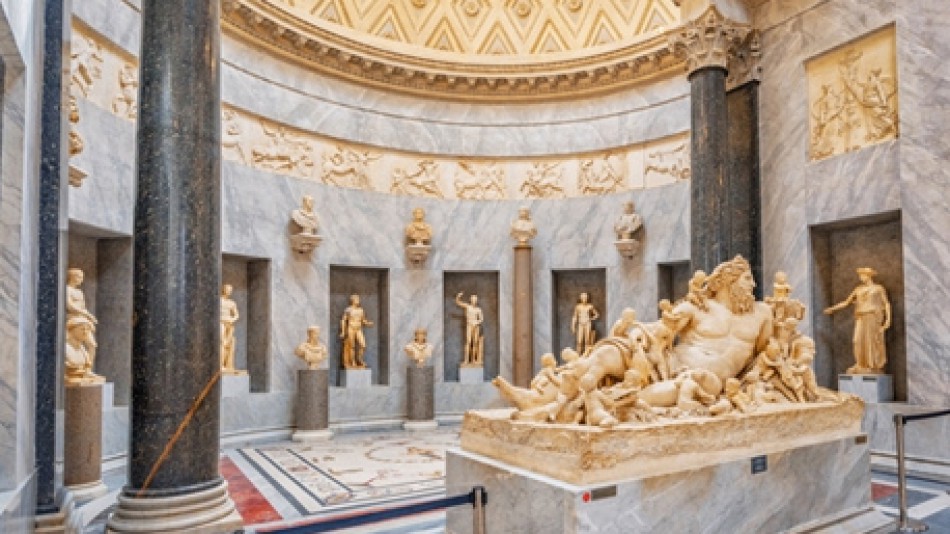
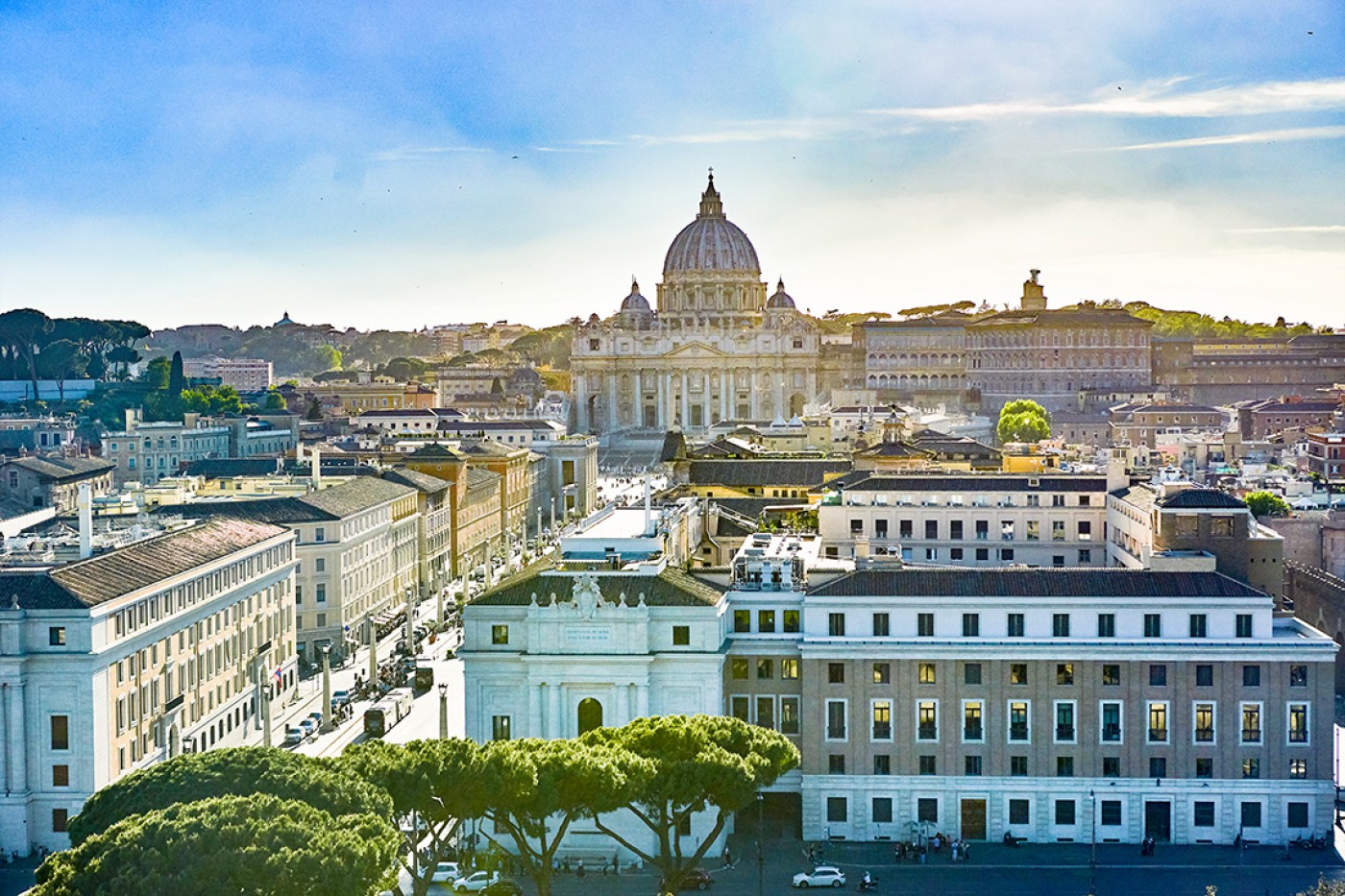
Vatican Museums and Sistine Chapel - don't miss the Sistine Chapel and the Raphael Rooms
Dinner in a local restaurant
Day 3 - Sorrento
Breakfast and then check out of your hotel and meet your coach and make your way to Sorrento via:
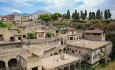
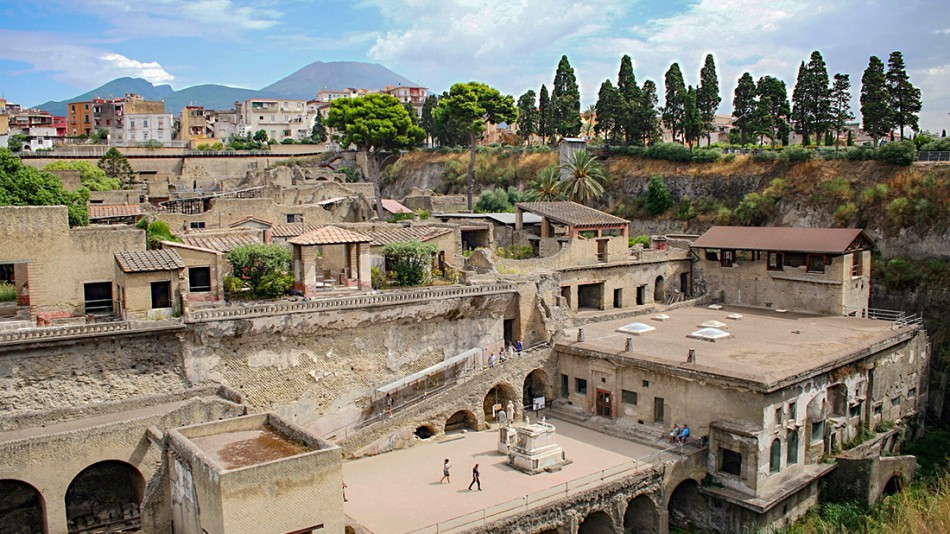
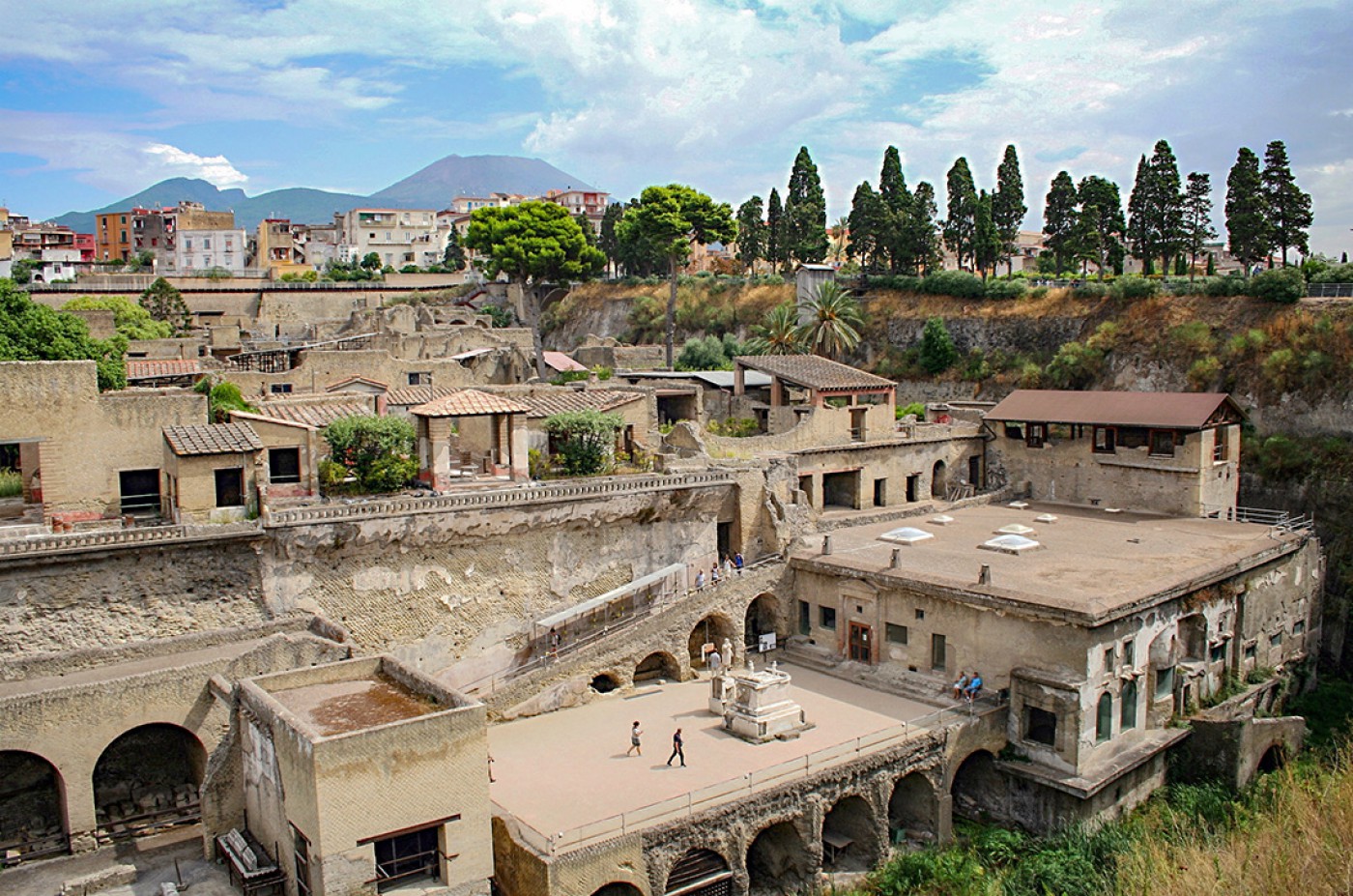
Herculaneum - though the ancient town is not as big as Pompeii, Herculaneum is in far better condition because the structures were preserved in mud rather than volcanic ash - a favourite destination for students and teachers
Check into your hotel and then have dinner
Day 4 – Mount Vesuvius and Pompeii
Breakfast and then meet your coach to experience:
Mount Vesuvius - the volcano is currently dormant and school groups can walk up to explore the crater and take in the beautiful views over the bay
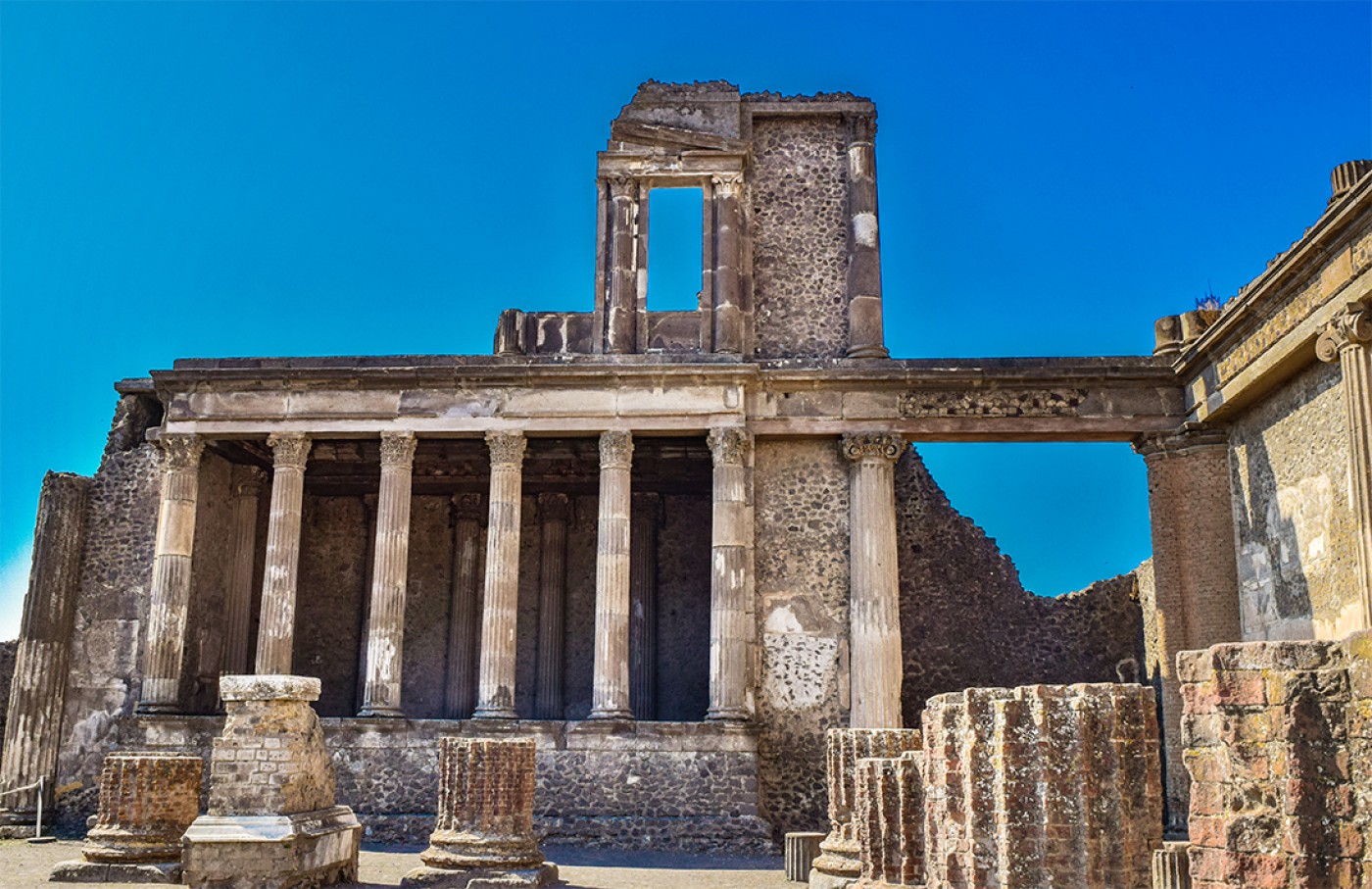
Pompeii - possibly the most famous of ancient preserved cities and a must-see for any school excursion visiting the Bay of Naples.
Dinner and overnight
Day 5
Breakfast and then check out of your hotel
Coach transfer to the airport and flight back to the UK
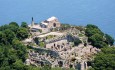
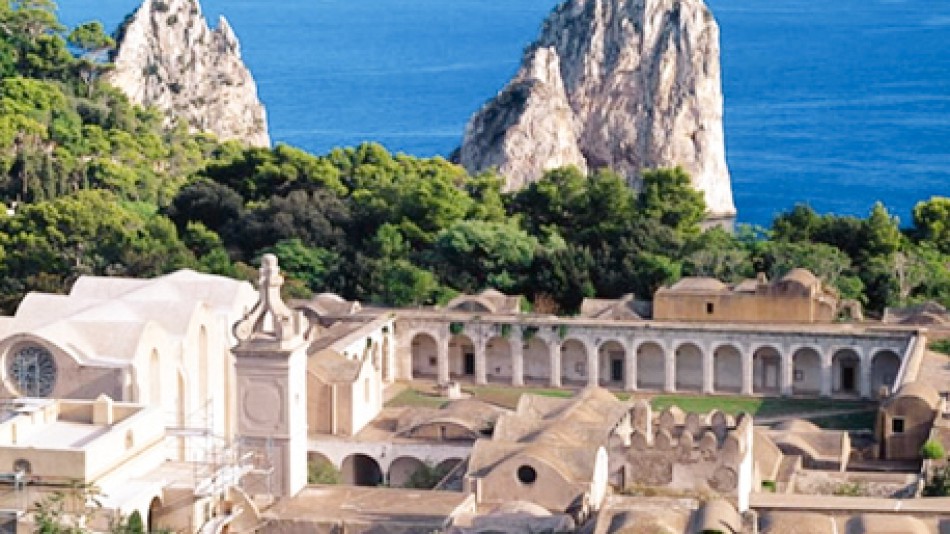
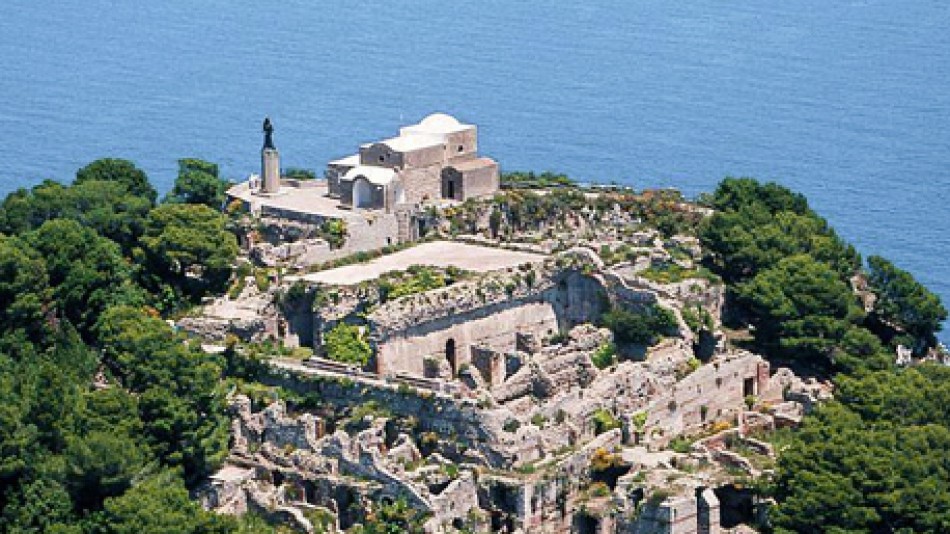
Once in Capri, head over to Certosa di San Giacomo, a former monastery with a church. It is a preserved historic site and doesn't draw too many crowds, but the views are magnificent.
Sistine Chapel
The jaw-dropping Sistine Chapel is the most famous chapel in the world, not least because of its grandiose decorated interior. It's worth visiting just to see Italian master Michelangelo's "The Last Judgment" on the altar walls.
Vatican museums
Within Vatican City, there is a complex of Christian art museums that display some of the most important collections of Roman sculptures and Renaissance-era masterpieces anywhere in the world. The works have been collected by popes throughout the centuries.
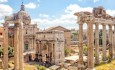
Roman Forum
The Roman Forum is a complex of towering remains of a marketplace and other prominent government buildings in the historic centre of ancient Rome.
Pantheon
Built 2000 years ago, the stunning dome remains the world’s largest unreinforced concrete dome. It was built as a temple and converted to a Catholic church in the 7th century AD.
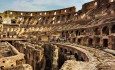
Colosseum
The impressive Colosseum is one of the best-preserved ancient Roman monuments and certainly one of the most recognisable. It was built to host 50,000 spectators and today your students can go inside and explore the site for themselves.
Ice cream demonstration
This is one sweet experience... Step inside an Italian gelateria where a gelato artisan will share the secrets behind creating this frozen treat. End the demonstration by tasting some for yourself!
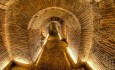
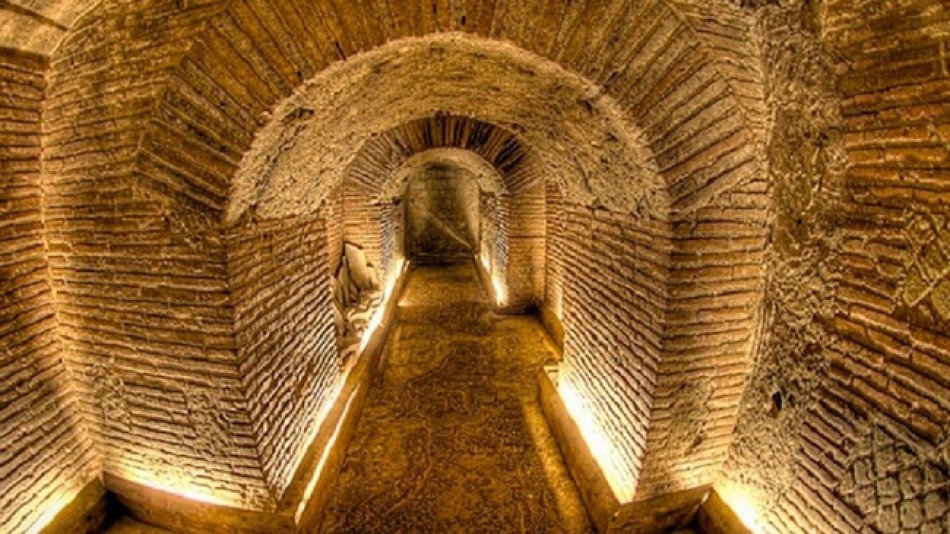
Napoli Sotterranea
Forty meters below the lively streets of the Historic Centre of Naples, you find a different world, unexplored, isolated by time, but deeply connected with the world above. Embark on a fascinating underground tour of a network of tunnels beneath Naples.
Villa Jovis
Villa Jovis is one of the sites we recommend visiting when you're on the island of Capri. A former Roman palace, the villa was built by emperor Tiberius.
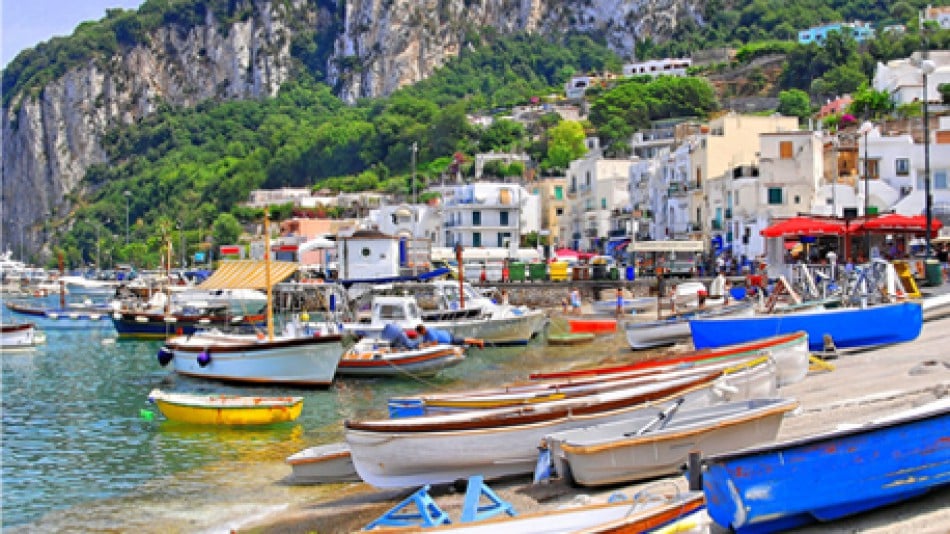
Capri
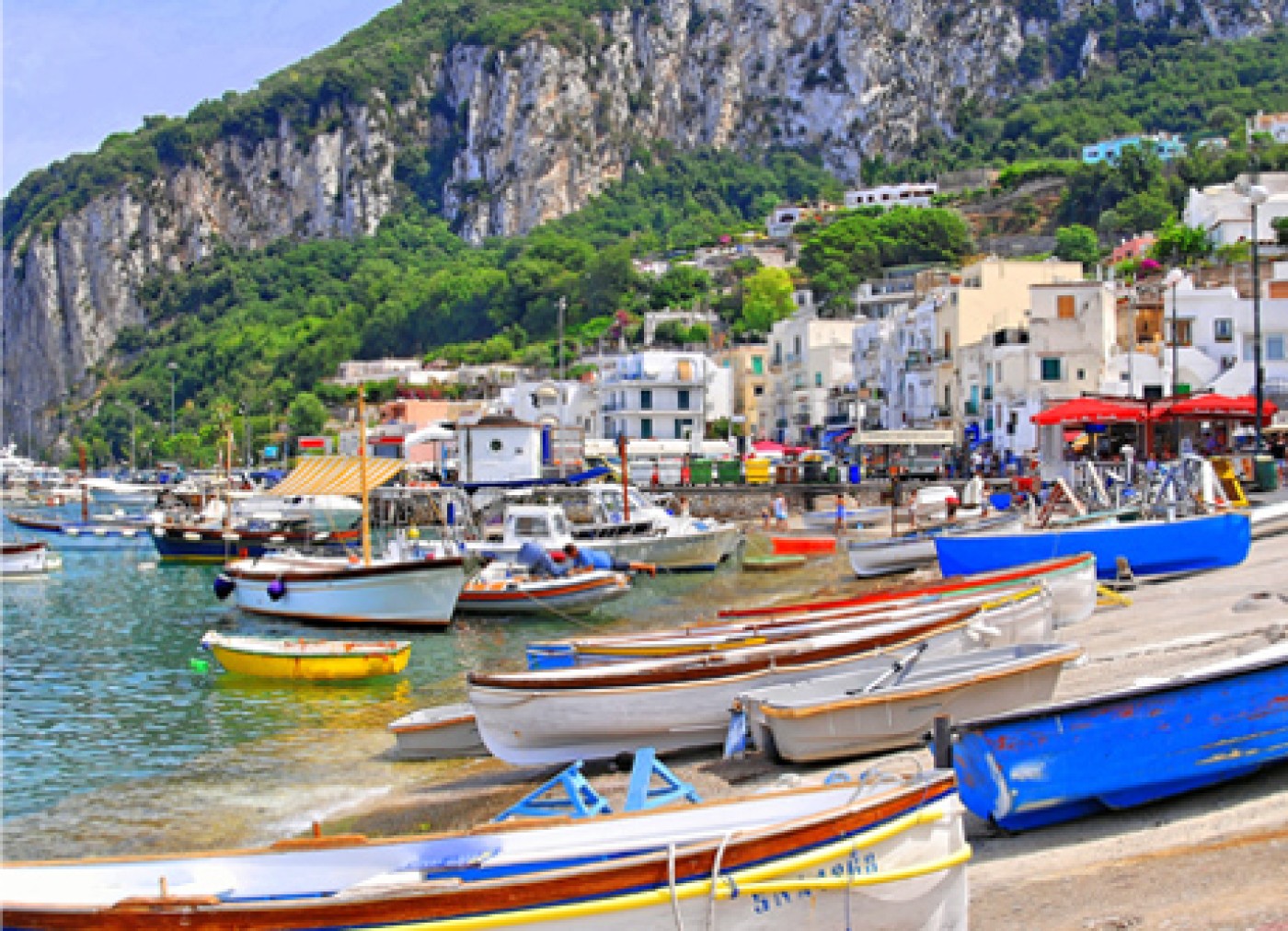
Take a boat over to the beautiful island of Capri, too small to get lost in yet big enough to spend an entire day there. On the island, you'll find the Certosa di San Giacomo monastery and Villa Jovis, Emperor Tiberius' most impressive residence.
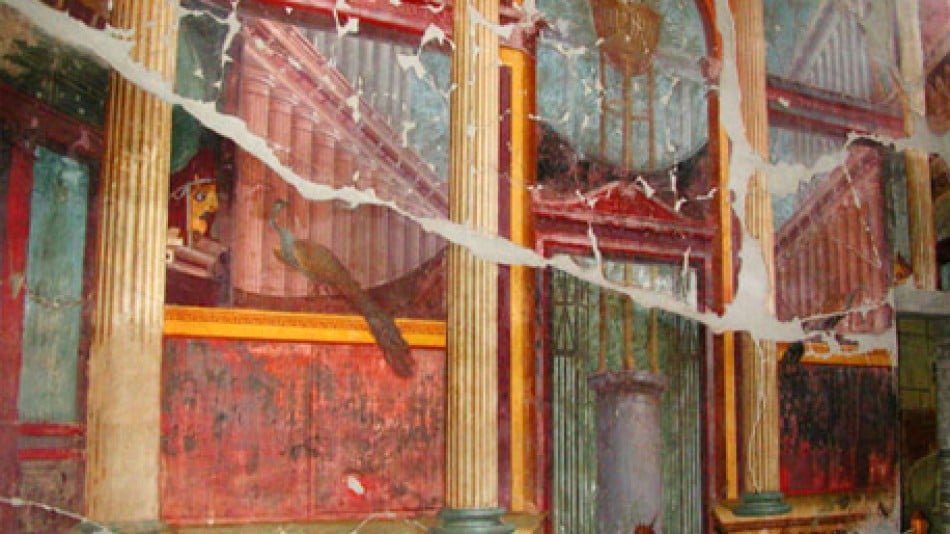
Villa Oplontis
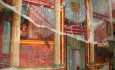
The Villa Oplontis, located near the city of Naples and Pompeii, is thought to be the home that once belonged to Poppaea Sabina, who eventually became the wife of Emperor Nero. The remains of the villa have some beautiful murals which have held up pretty well in the wake of Mount Vesuvius's devastating eruption.
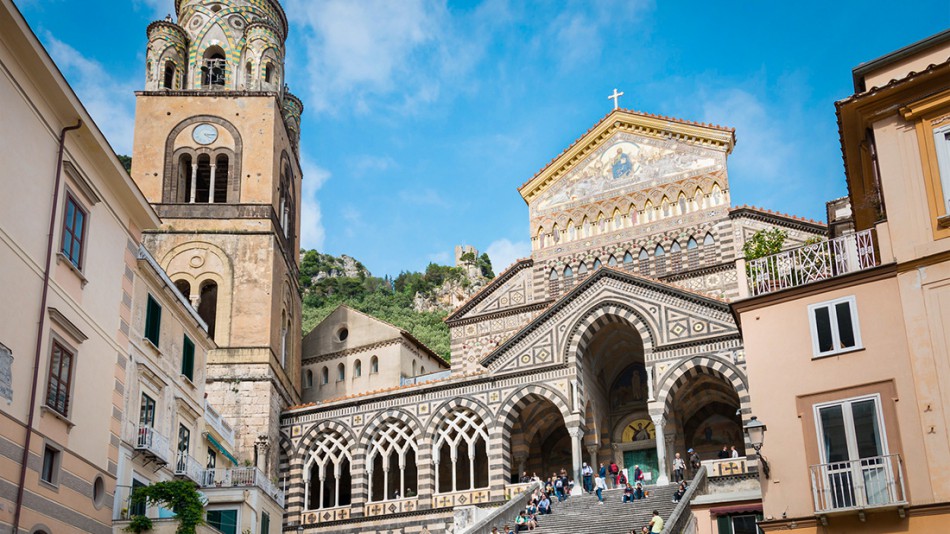
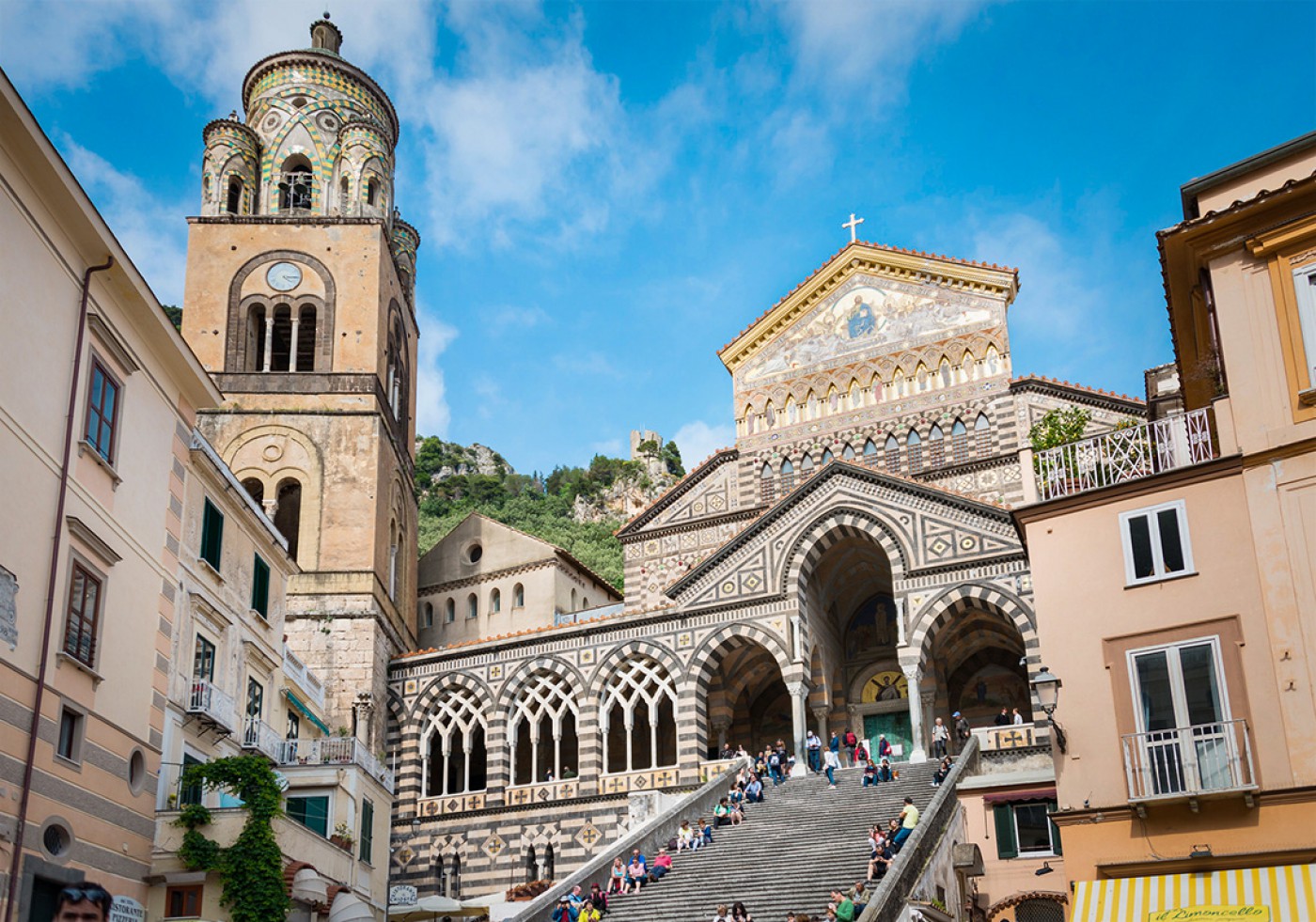
The Amalfi Coast
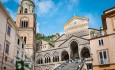
The Amalfi coast offers some of the most spectacular scenery in Italy making it an unmissable photo stop at the very least. Explore the Piazza Duomo, the cathedral and tropical garden.
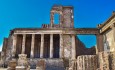
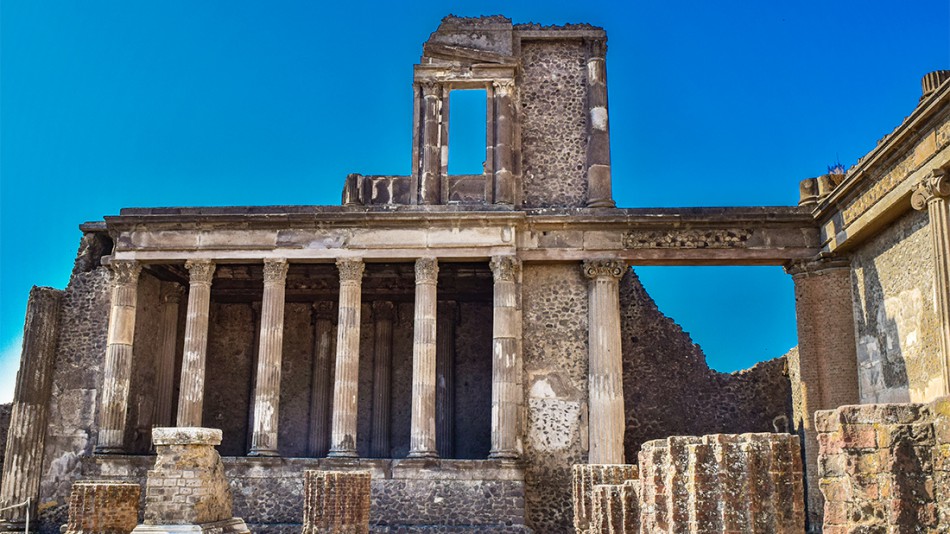
Pompeii
Once a thriving and sophisticated Roman city, Pompeii was buried under meters of ash and pumice after the catastrophic eruption of Mount Vesuvius in 79 A.D. The preserved site features excavated ruins of streets and houses that students can freely explore.
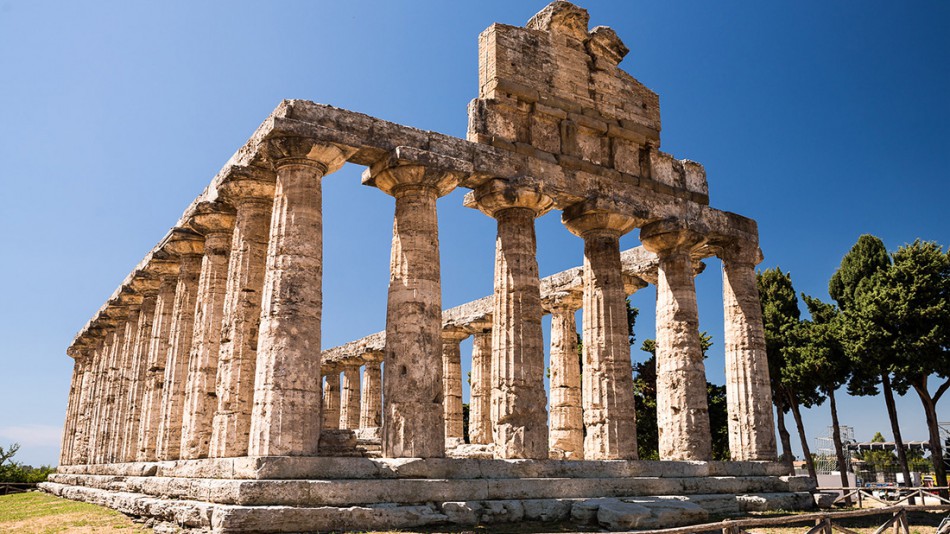
Paestum
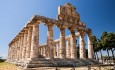
Founded in 6th Century BC, Paestum is one of Italy's most important archaeological sites. The ruins of Paestum are famous for their three ancient Greek temples in the Doric order, dating from about 600 to 450 BC, which have been very well preserved.
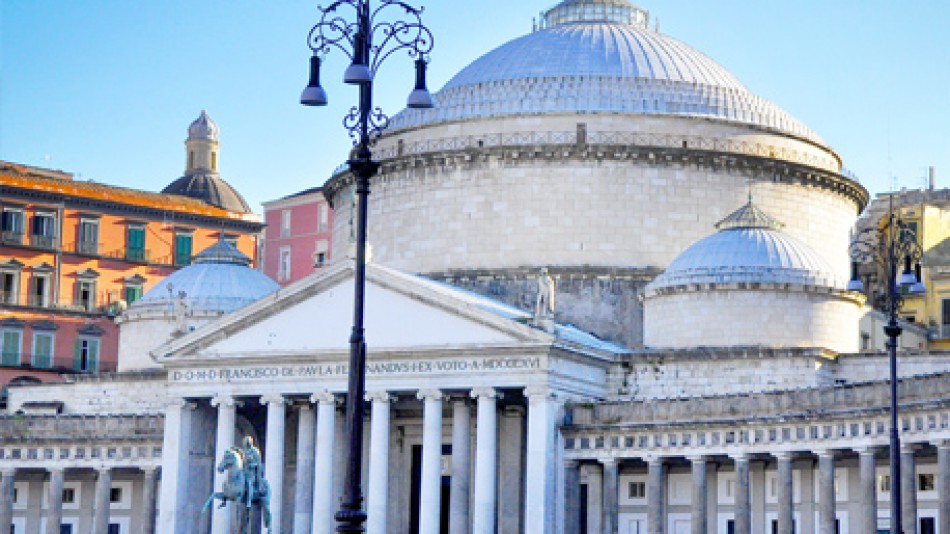
Naples
The Old Town of Naples with its narrow streets is definitely worth a look. A visit to the cathedral is highly recommended as the traditional services are led by monks. Generally known as the Duomo this 13th-century gothic cathedral dedicated to Naples' patron saint San Gennaro, is supposed to house the two vials of his coagulated blood.
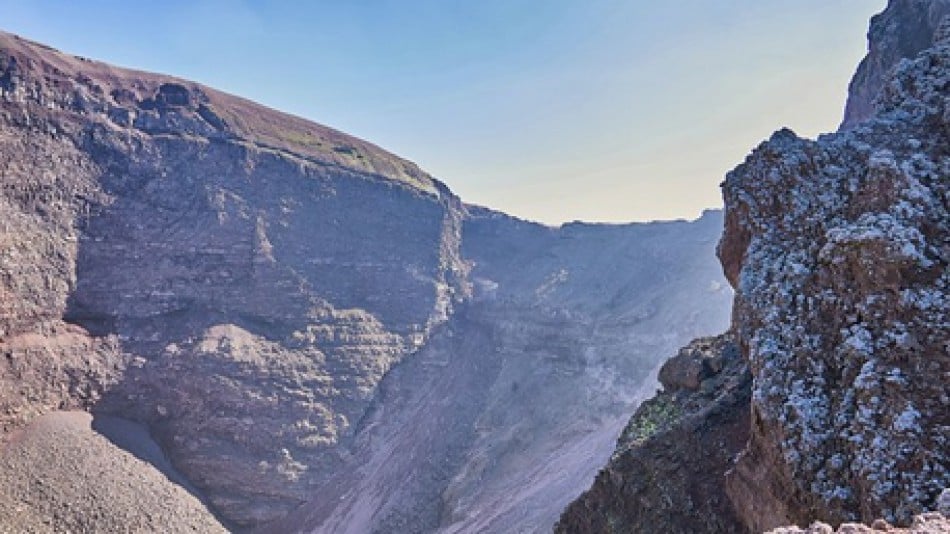
Mount Vesuvius
Mount Vesuvius is the only Volcano on mainland Europe to have erupted in the past 100 years. The volcano that destroyed the city of Pompeii is now a National Park, and you will walk up to the incredible crater and see beautiful views over the bay!
Herculaneum
Located in the shadow of Mount Vesuvius, Herculaneum is the sister city of Pompeii. Herculaneum is a popular visit with our groups because it is better preserved than Pompeii as the city was buried in mud rather than volcanic ash - and it tends to draw fewer crowds.
Included
Board and lodging
Your choice of return travel with return flights and overseas transfers
Free teacher-to-student ratio approx 1:10 (air groups)
School to airport transfers and meals en route (if required)
Visa charges and supplements for small parties, single rooms and additional adults
Local tourist taxes which can only be paid in cash to the hotel
Hotel damage deposits
Resources
Ready-made resources to get your trip off the ground
These ready-made trip resources are designed to reduce your admin and help speed up the process of planning, promoting and getting approval for your trip to Rome & Sorrento: