Our GCSE programme gives learners plenty of opportunities to practise the skills they'll need for their French speaking and listening exams, without turning the trip into a classroom.
Describe a picture
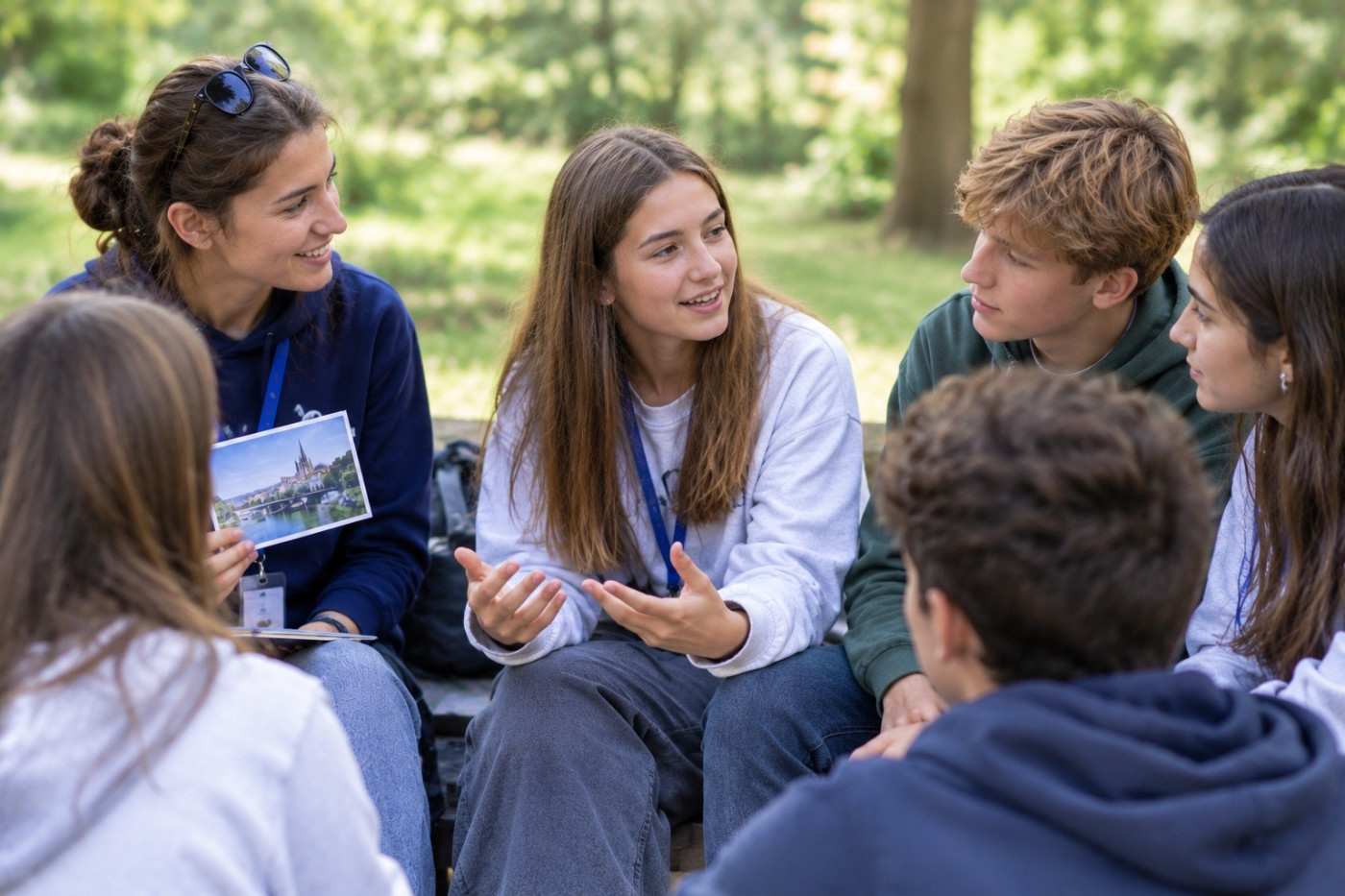
Practise the skills behind the GCSE photocard task. Animateurs give students picture cards and ask them to describe what they can see – from people and places to clothes, weather and activities. They'll then ask follow-up questions, encouraging students to add detail and keep the conversation going.
Give your opinion
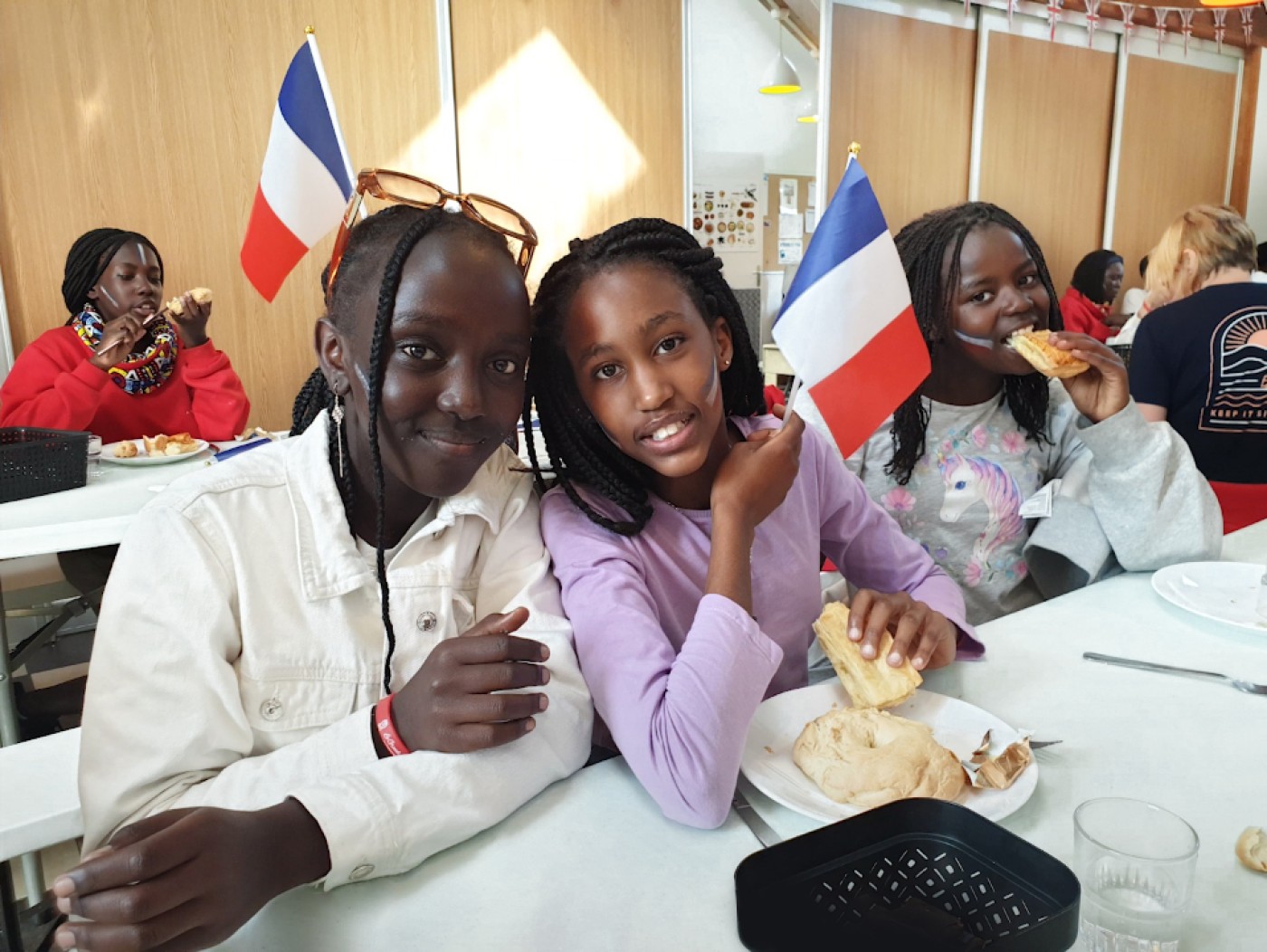
Students are encouraged to talk about what they like, dislike and prefer, and explain why. Conversation prompts at breakfast and dinner provide easy opportunities to share opinions about food, activities, places and everyday topics.
Ask and answer questions
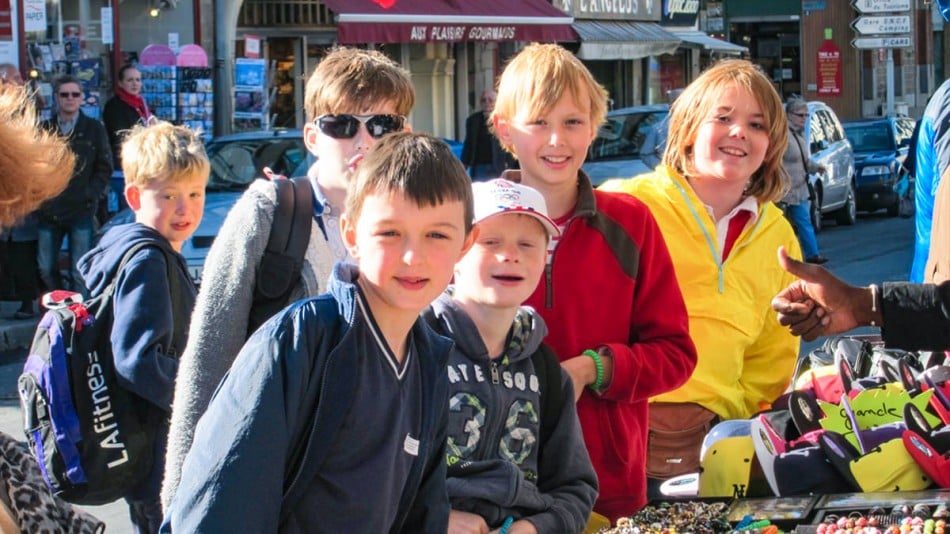
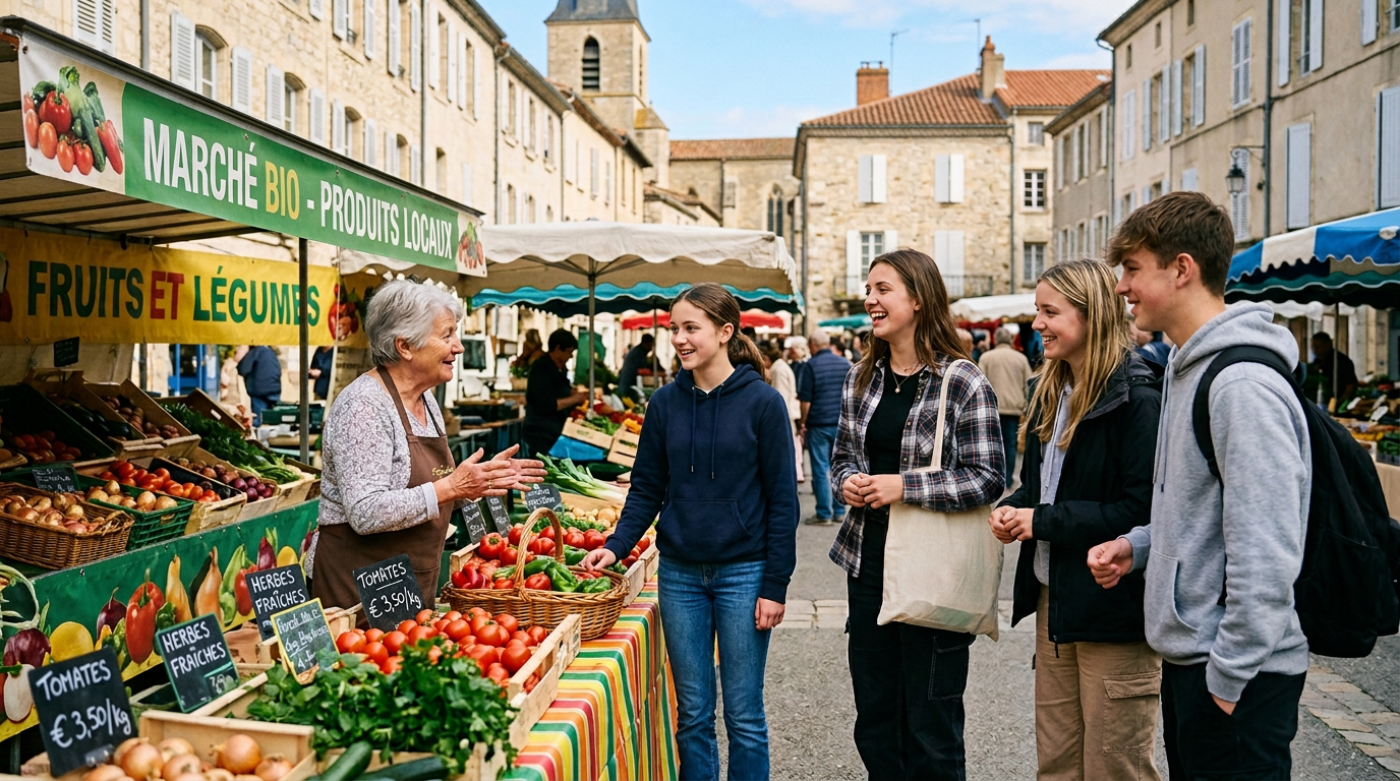
From ordering breakfast to completing the Market Mission, students need to listen carefully, ask questions and respond in French.
Talk about past and future experiences
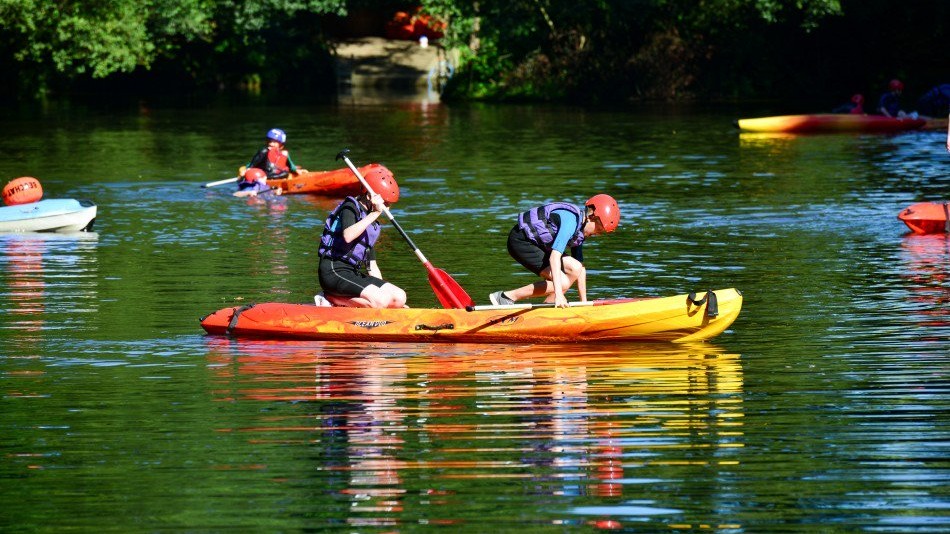
Students talk about what they've done, what they're doing and what they're going to do next. For example, after a day's activities they might describe what happened, say what they enjoyed and explain what they'd like to try next.
Listen and respond
Native-speaking animateurs provide a real listening challenge, exposing students to natural French and different voices, speeds and accents. Students need to listen for key information and respond spontaneously.
Work together in French
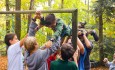
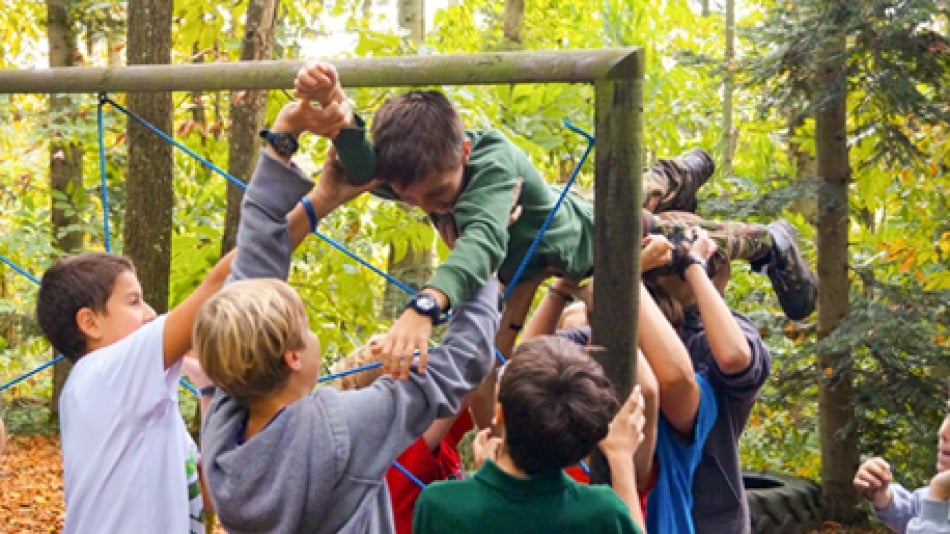
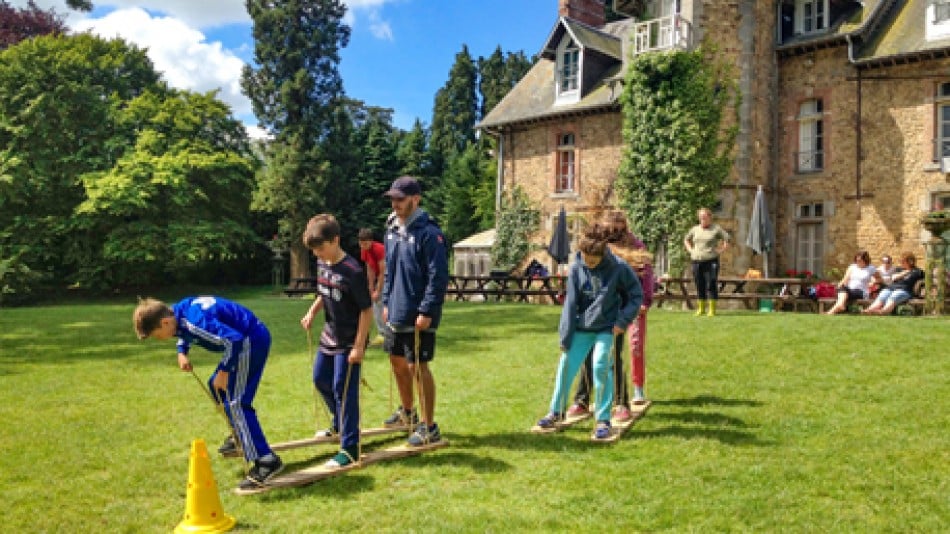
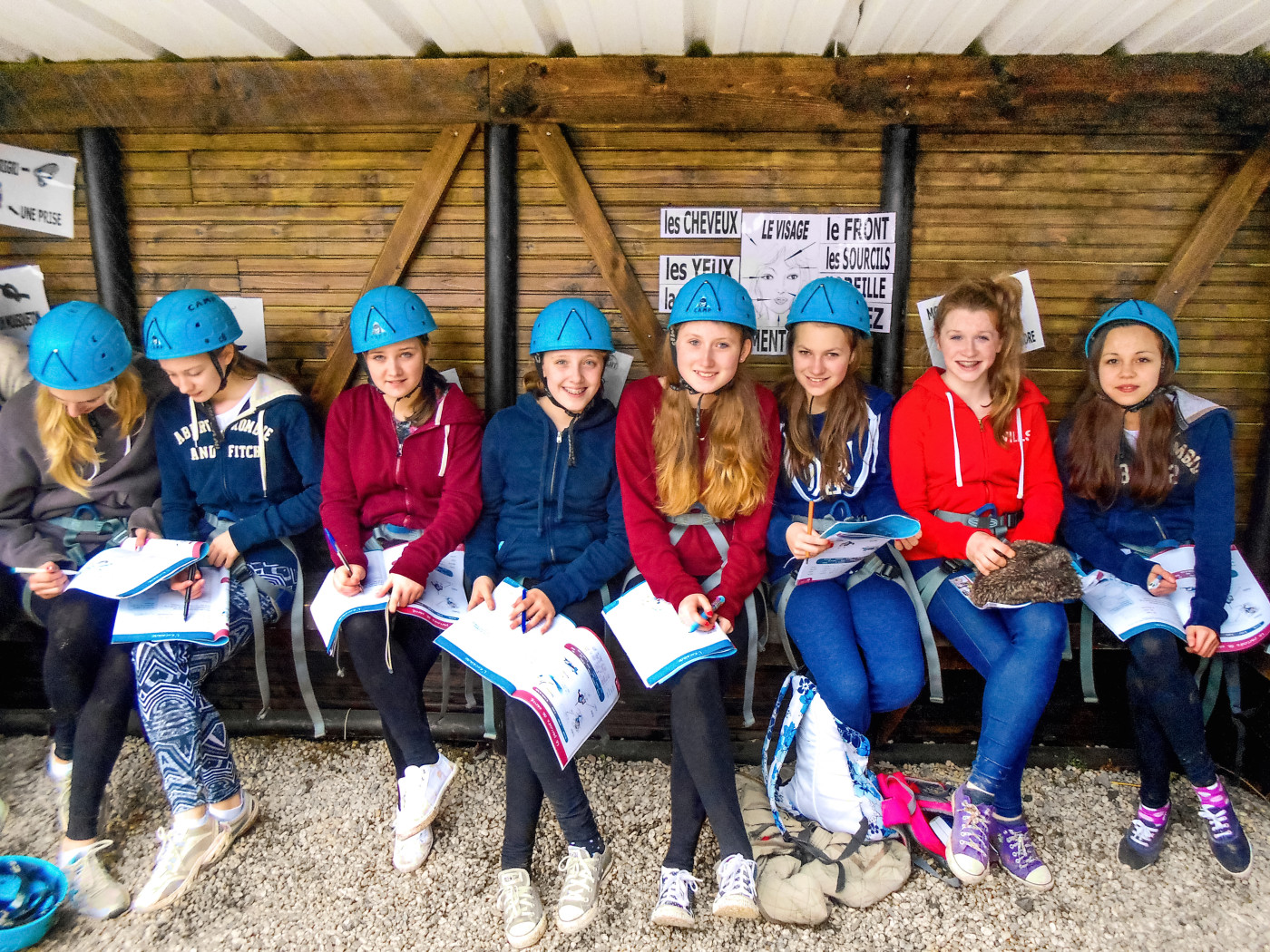
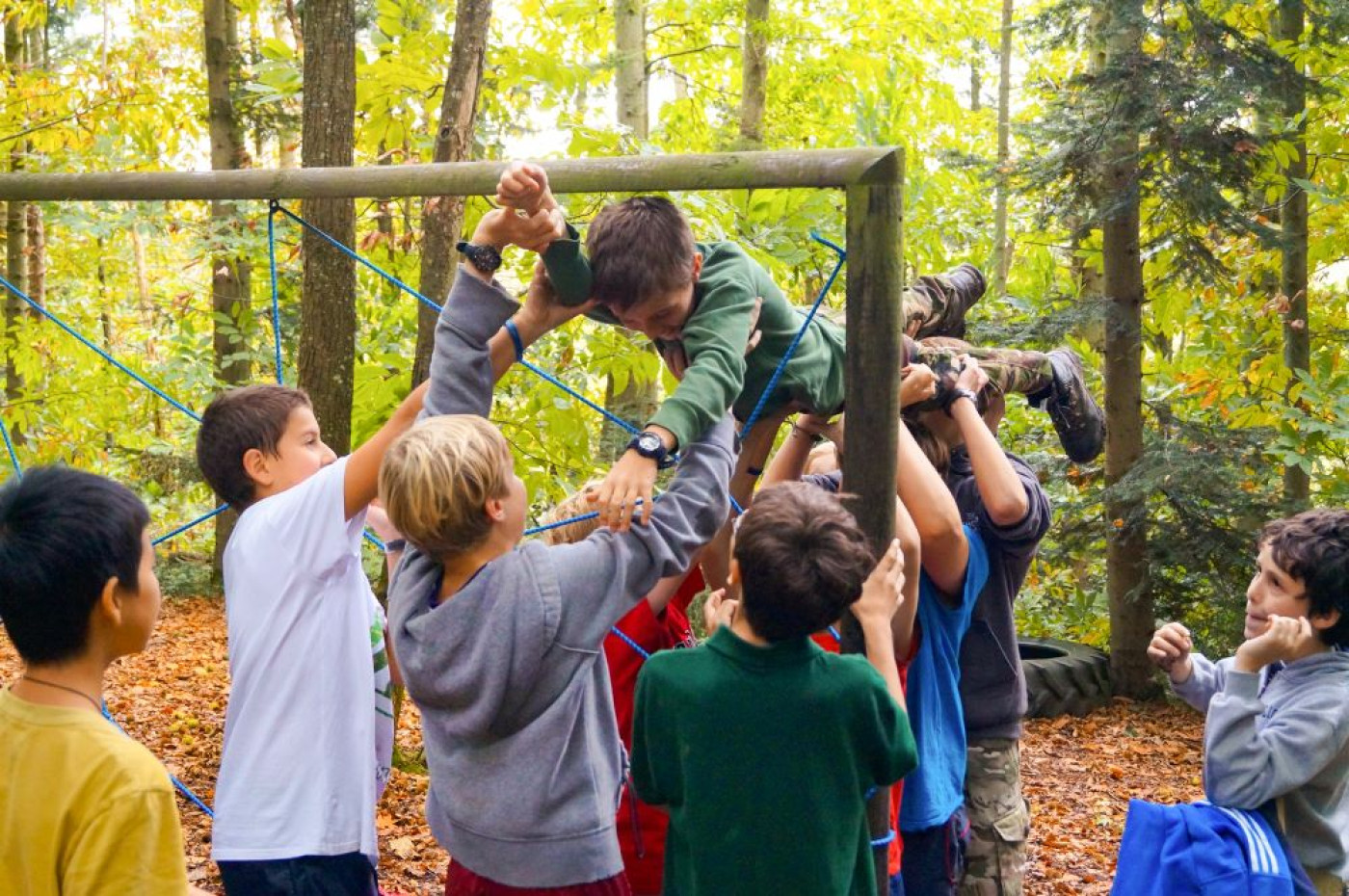
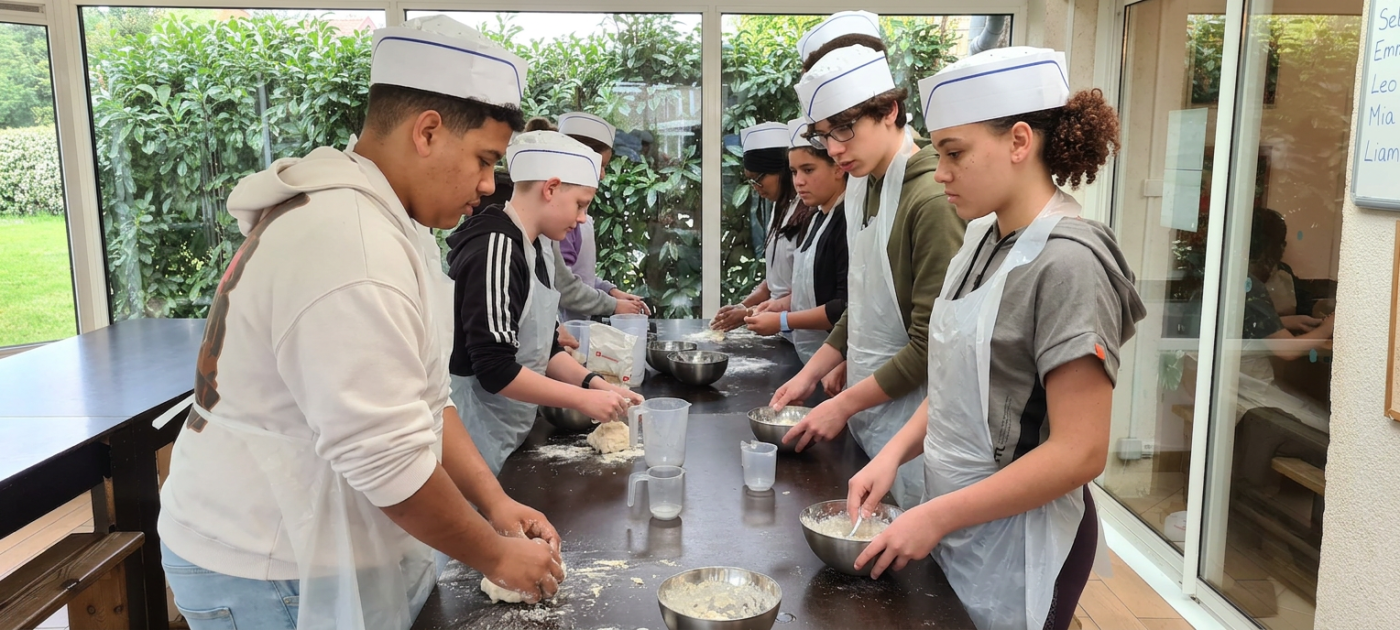
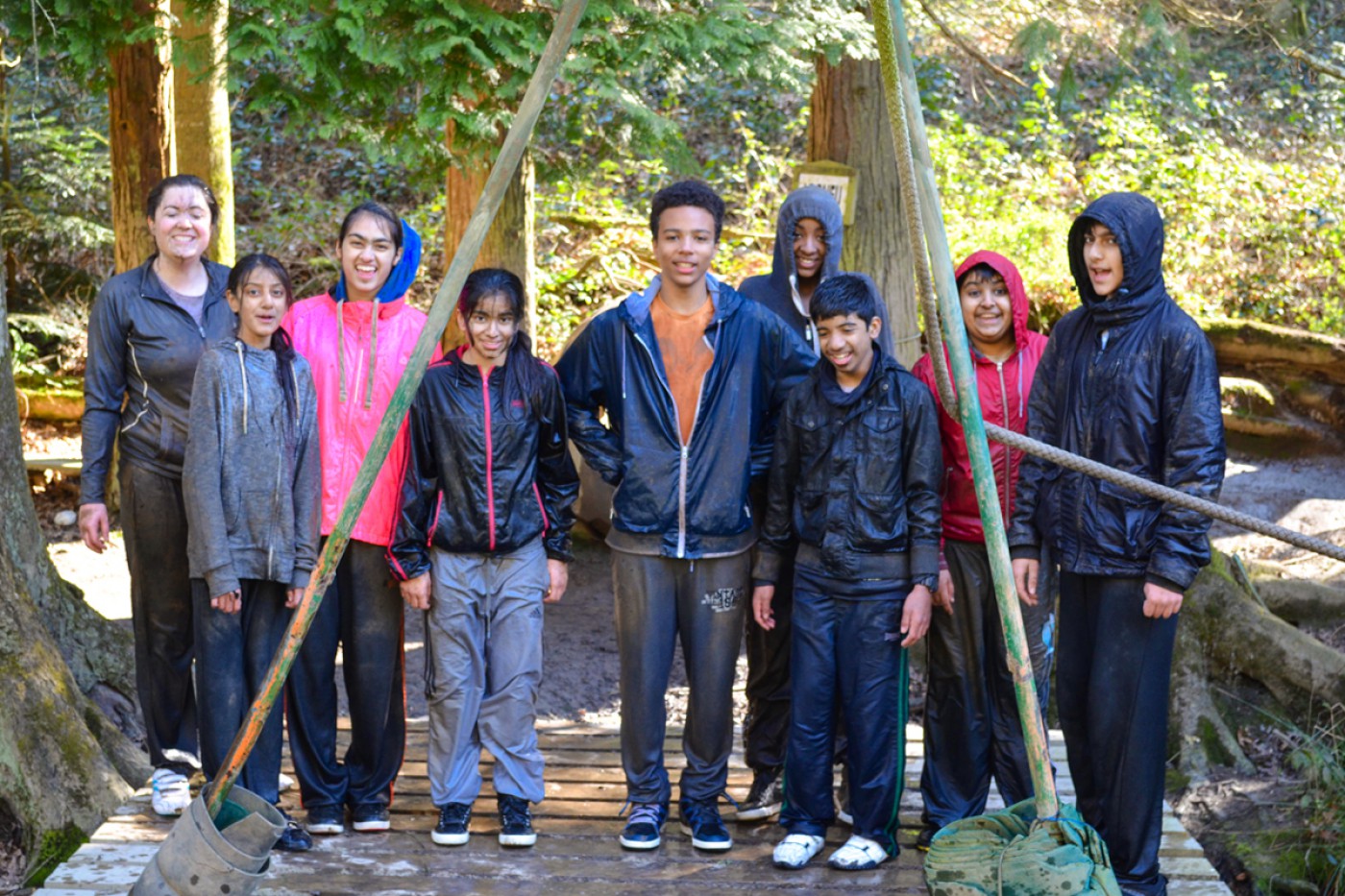
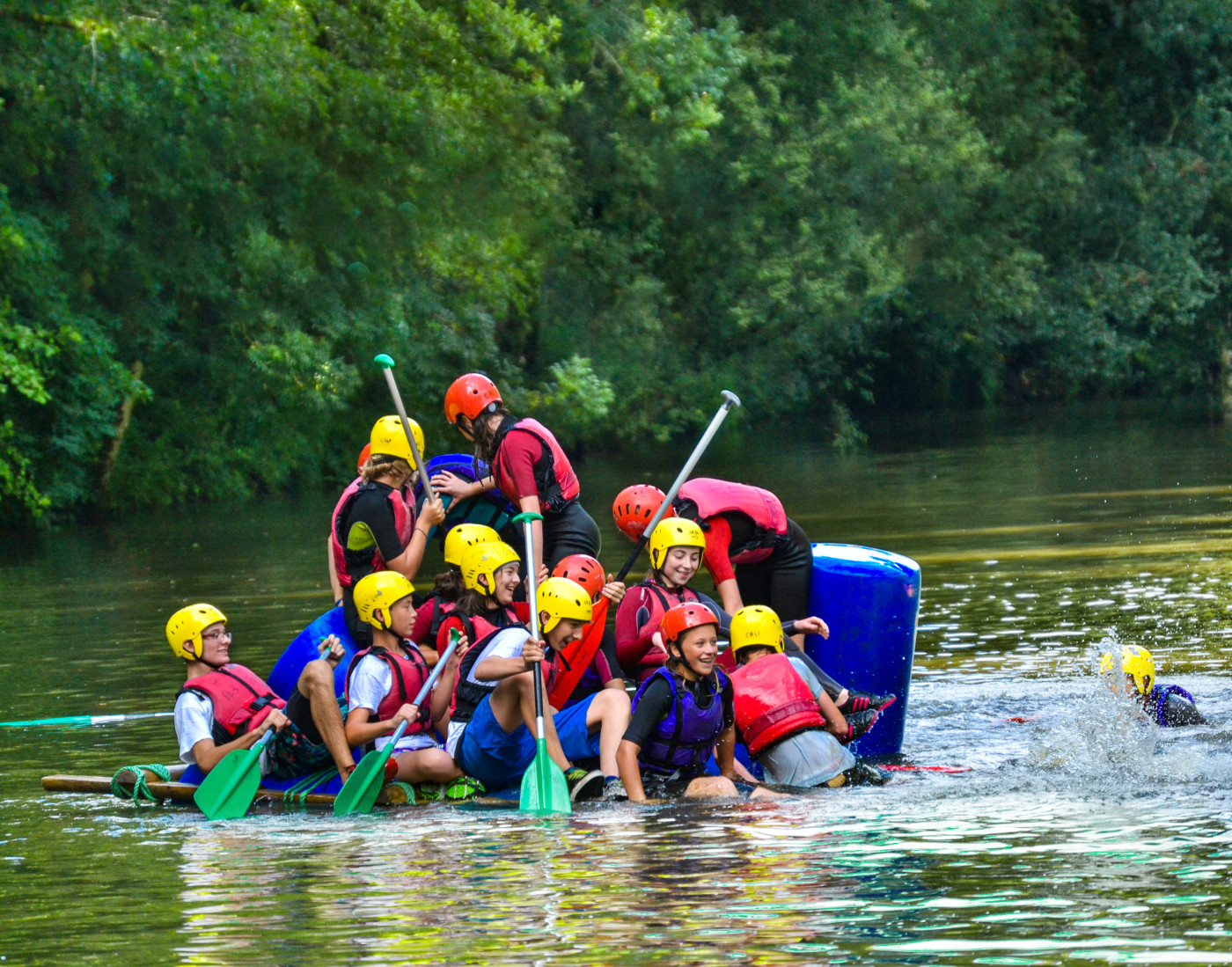
Many activities involve teamwork, giving students a reason to communicate with their classmates. They'll negotiate, encourage each other and make decisions – all while being encouraged to use French.
Build confidence and fluency
The more students use French, the more comfortable they become speaking it. Our animateurs encourage all students to have a go, creating lots of low-pressure opportunities to speak throughout the day – not just during designated language activities.
Reflect on progress
Teachers and students can use our optional assessment checklist before and after the trip to set personal goals and reflect on progress. It's a simple way for students to recognise how their confidence and communication skills have developed during their stay.