Which department is your perfect match? How to plan cross-curricular school trips that really work
25 Mar 2026, 09:53 by Kate Moore
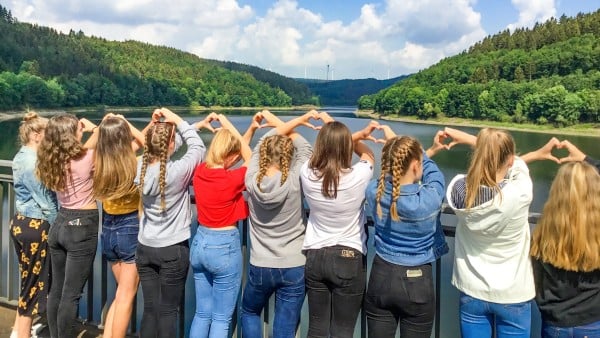
The French and Drama Departments at Market Weighton School joined forces for a combined trip to Paris
You might not think to plan a trip with another department — but the right partnership can reduce workload, increase take-up, and result in something even more memorable for your students. Cross-curricular itineraries are becoming a popular option for schools looking to do more with their educational trips. Read on to find out why...
Why combine subjects?
Improved take-up makes trips financially viable
Lower cost per student improves accessibility
Shared workload reduces pressure on trip leaders
More staff to help with supervision and support
Richer experiences through cross-curricular learning
Stronger student connections, as pupils mix with peers they wouldn’t normally spend time with
Top tips for planning a multi-subject school trip
1. Find the right match
The best trips come from genuine collaboration. Look for departments with natural crossover, like history and politics, or simply a shared interest in the destination. A quick conversation could be all it takes.
2. Choose a destination that works for everyone
Some locations, such as major cities, naturally support multiple subjects, making planning far easier and avoiding compromise. See Voyager’s tried-and-tested pairings below for inspiration.
As long as both departments can clearly link the trip to their curriculum, you’re on the right track.
3. Plan a balanced itinerary
One combined itinerary makes things much easier to manage. But if that’s not possible, don’t worry. Voyager’s logistical experts can help organise an itinerary that blends subject-specific activities and “together time”. Balance is the key:
Subject-led visits or workshops
Shared cultural experiences
Time for students to socialise and bond
These shared moments are often where friendships form, especially between students who wouldn’t usually mix in school.
4. Share the workload (and the paperwork)
Teaming up makes planning far more manageable, alongside your day-to-day role. Two heads are better than one when you:
Split responsibilities and deadlines
Share communication with SLT and parents
Reduce duplication, for example, creating one combined risk assessment
Top tip: agree responsibilities from the outset and make use of individual strengths (get the art department to design the trip poster or the maths teacher to manage the deposits!).
5. Make the most of extra staff on the trip
More hands help everything run more smoothly. With multiple adults, it’s easier to:
Supervise at key moments like border crossings or public transport
Run evening activities and manage mealtimes more effectively
Manage routines like rooming and bedtimes
Bringing staff from different departments has other benefits too. It can help you achieve a better gender balance and a wider range of useful skills — from first aiders to staff who speak the local language.
It also means less pressure on individuals (and a more enjoyable experience for staff as well as students).
6. Use combined numbers to unlock better value
Share fixed costs such as transfers, coach hire and tour guides
Reduce the price per student
Make trips financially viable
For many schools, this is what turns a “maybe” into a confirmed trip.
7. Think beyond the trip
The benefits don’t stop when you return to school. Cross-curricular trips give students valuable exposure to subjects beyond their usual timetable, helping students:
Develop transferable skills
See topics from different perspectives
Build confidence in unfamiliar areas
Increase creativity and curiosity
It can also lead to meaningful outcomes back in school, from joint projects, stronger collaboration between departments, and even new friendships.
Visit the D-Day landing beaches or historic Bayeaux, while experiencing French life first-hand — ideal for combining history with language immersion at Voyager’s own chateau.
Let’s plan your multi-subject trip! Speak to our team and we’ll take care of your logistics, so you can focus on delivering an unforgettable experience.