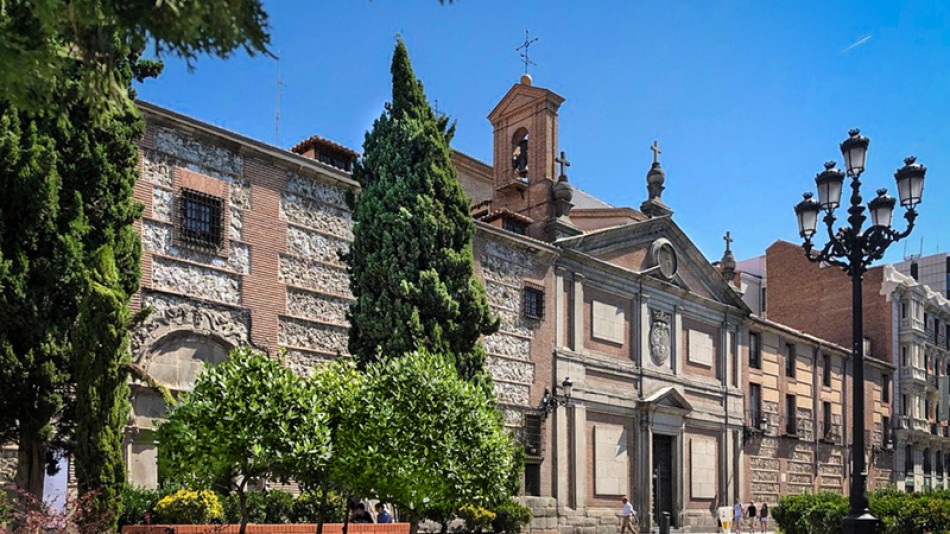
Cross-curricular school trip to Madrid
Madrid is a stylish and eclectic capital city home to some of Europe’s best collections of art, making it a top destination for art school trips.
- Key stage 3 - 16+
- Year round

Madrid is a stylish and eclectic capital city home to some of Europe’s best collections of art, making it a top destination for art school trips.
Madrid is a classic meeting of tradition and modernity, offering the perfect destination in Spain for your students to experience Spanish culture, uncover the country's rich history and to engage with the city’s unrivalled art offerings. You can also explore the nearby UNESCO listed towns of Toledo, the "City of Three Cultures" and Segovia, most famed for its Roman aqueduct, gothic cathedral and castle.
Your students will get a comprehensive look at art history and even get the chance to visit the school where Picasso and Dalí were students themselves! As Madrid is such a stylish and continually-evolving cultural hub, there are also plenty of opportunities to explore more modern works of art. Get in touch today and an expert will help build your perfect school trip.


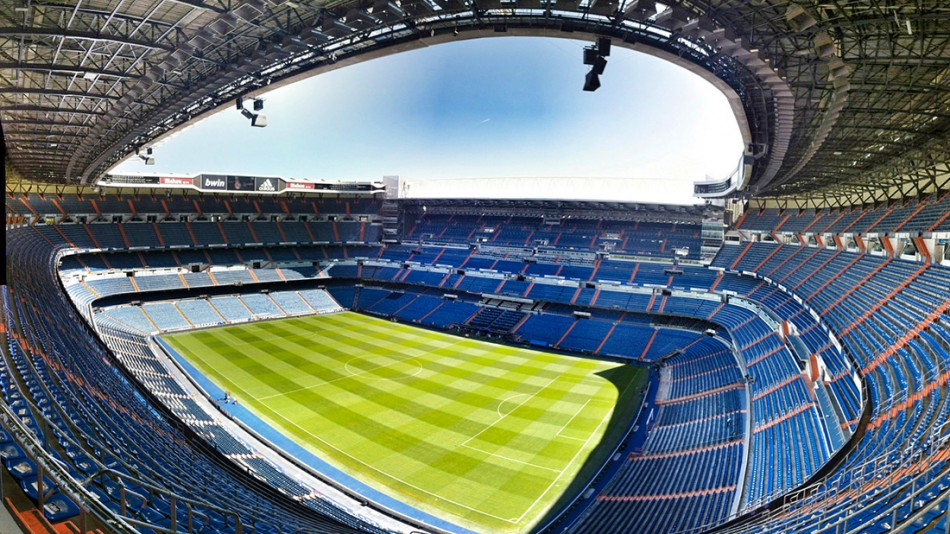
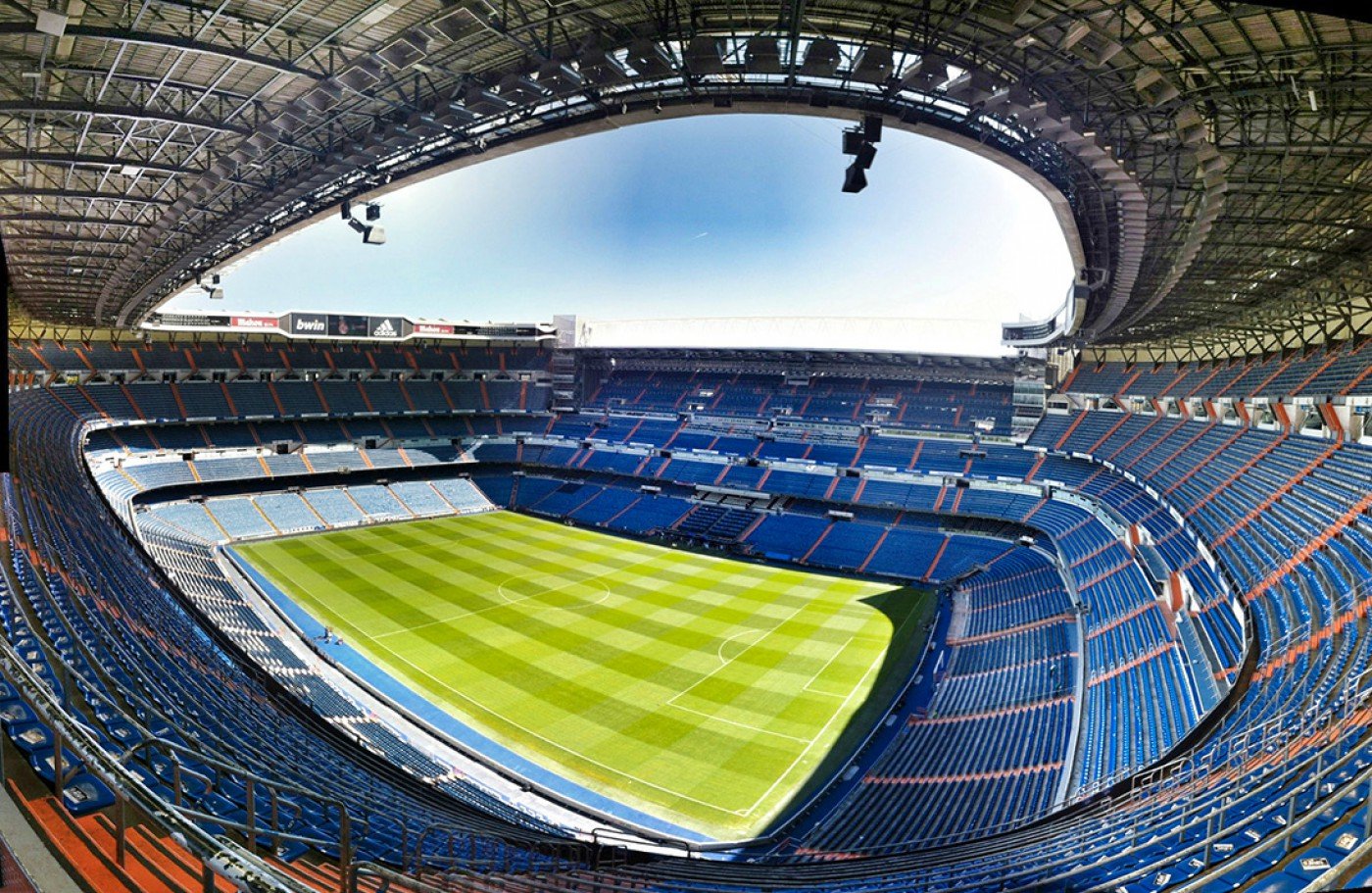
Set off on a self-guided tour of the Real Madrid home stadium. You can explore areas including the dressing rooms and there are also interactive exhibits to learn more about the club. Sure to be a hit for the football fans among your students!
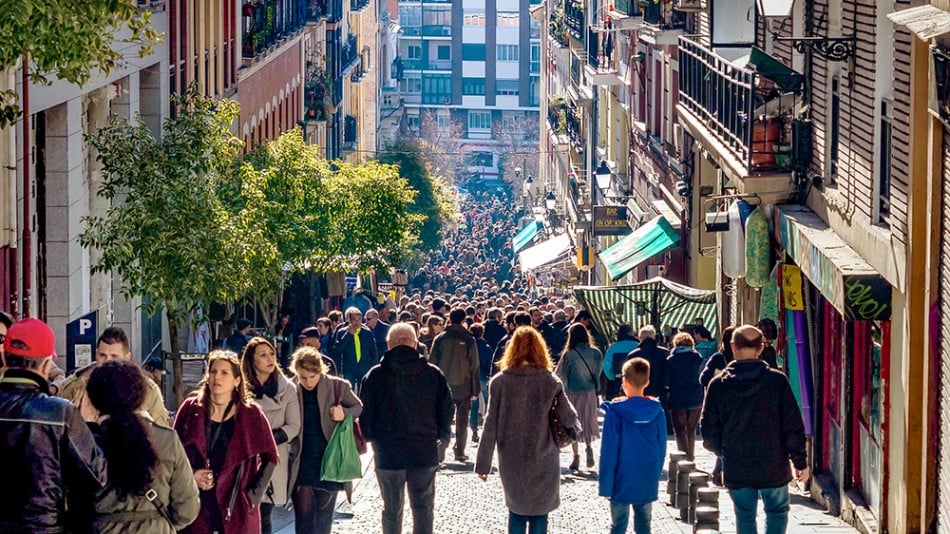
If you're going to be in Madrid over a Sunday or public holiday, be sure to head down to Plaza de Cascorro to explore El Rastro, Spain's biggest flea market! Soak up the local Spanish buzz and even hunt for some treasures yourself.
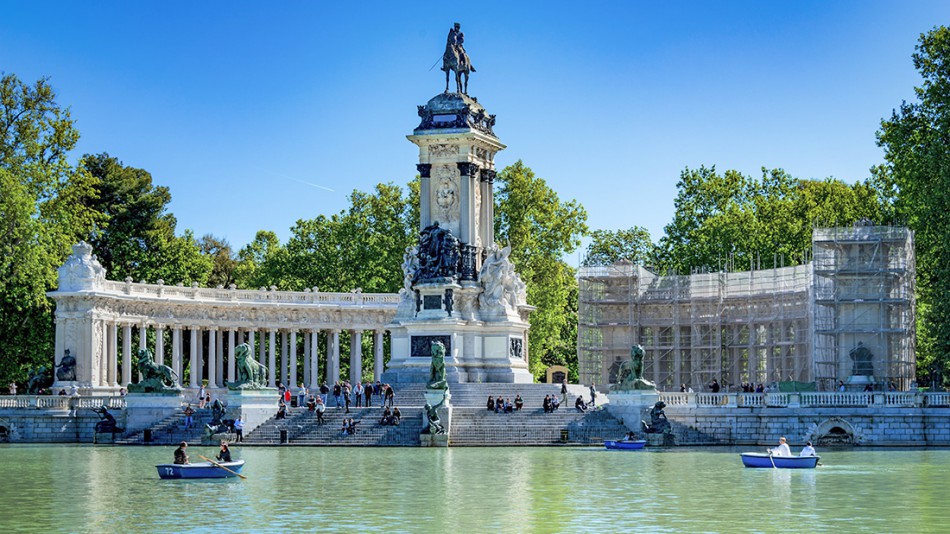
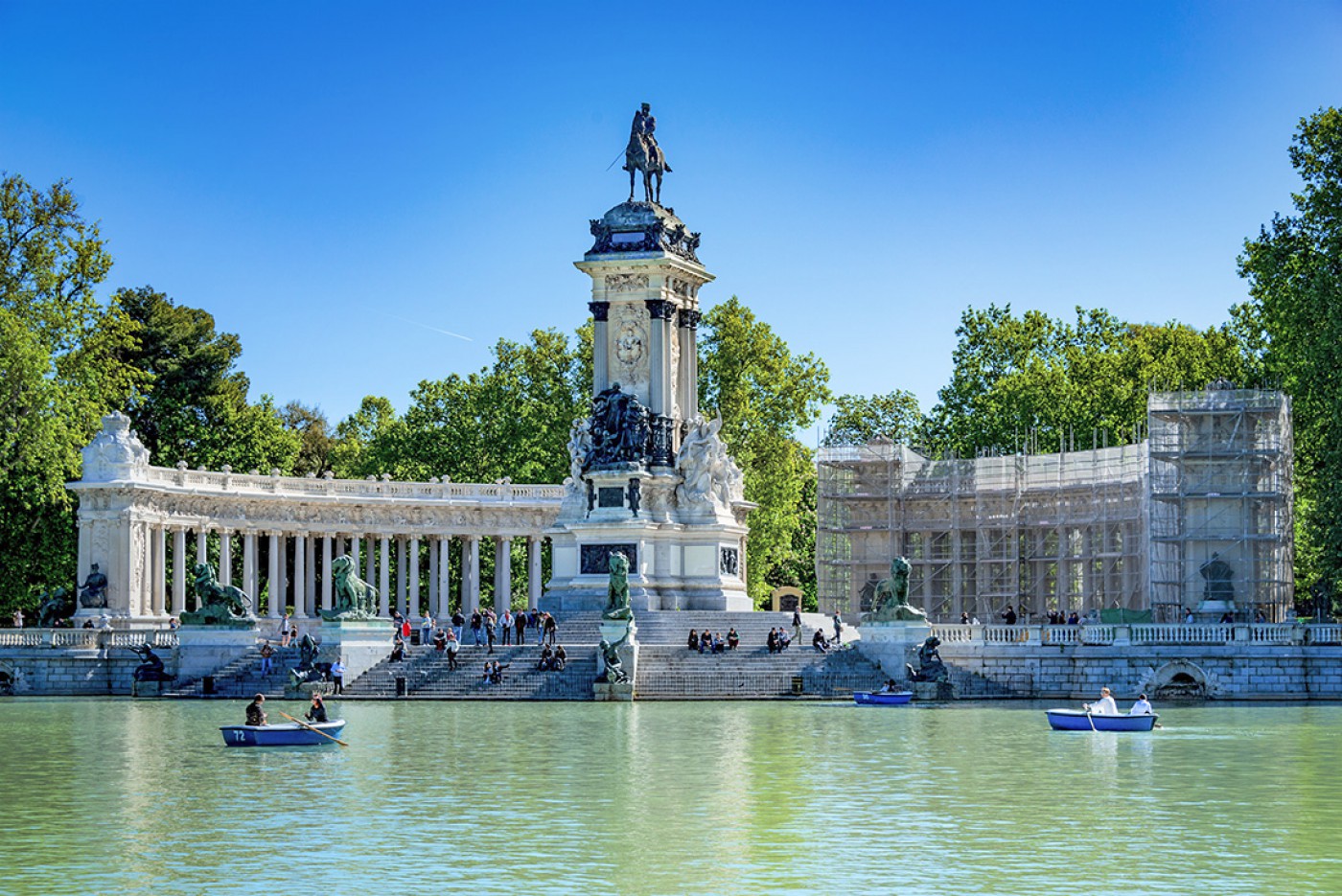
The grand El Retiro park is a beautiful gem amongst the urban landscape of Madrid. Its centrepiece is a huge monument with its own manmade lake, where you can rent a rowboat and paddle away!
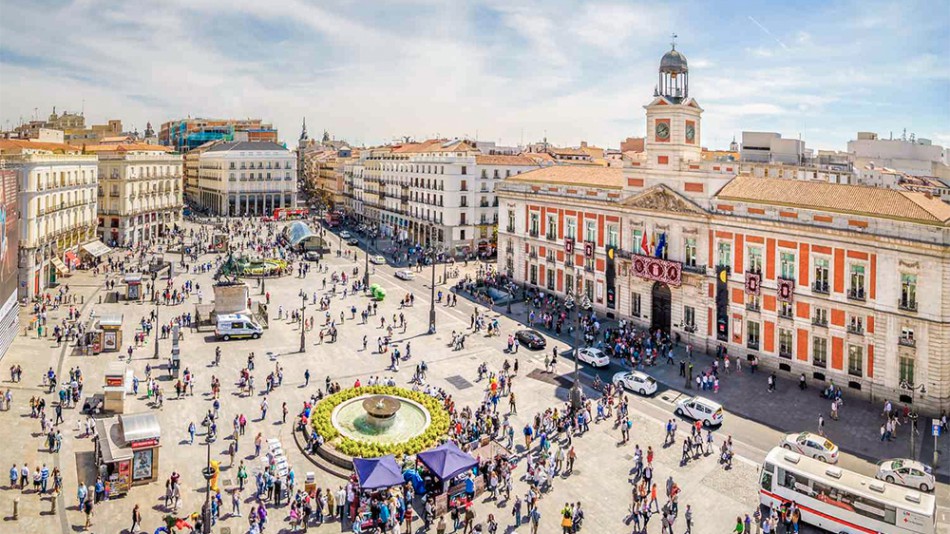
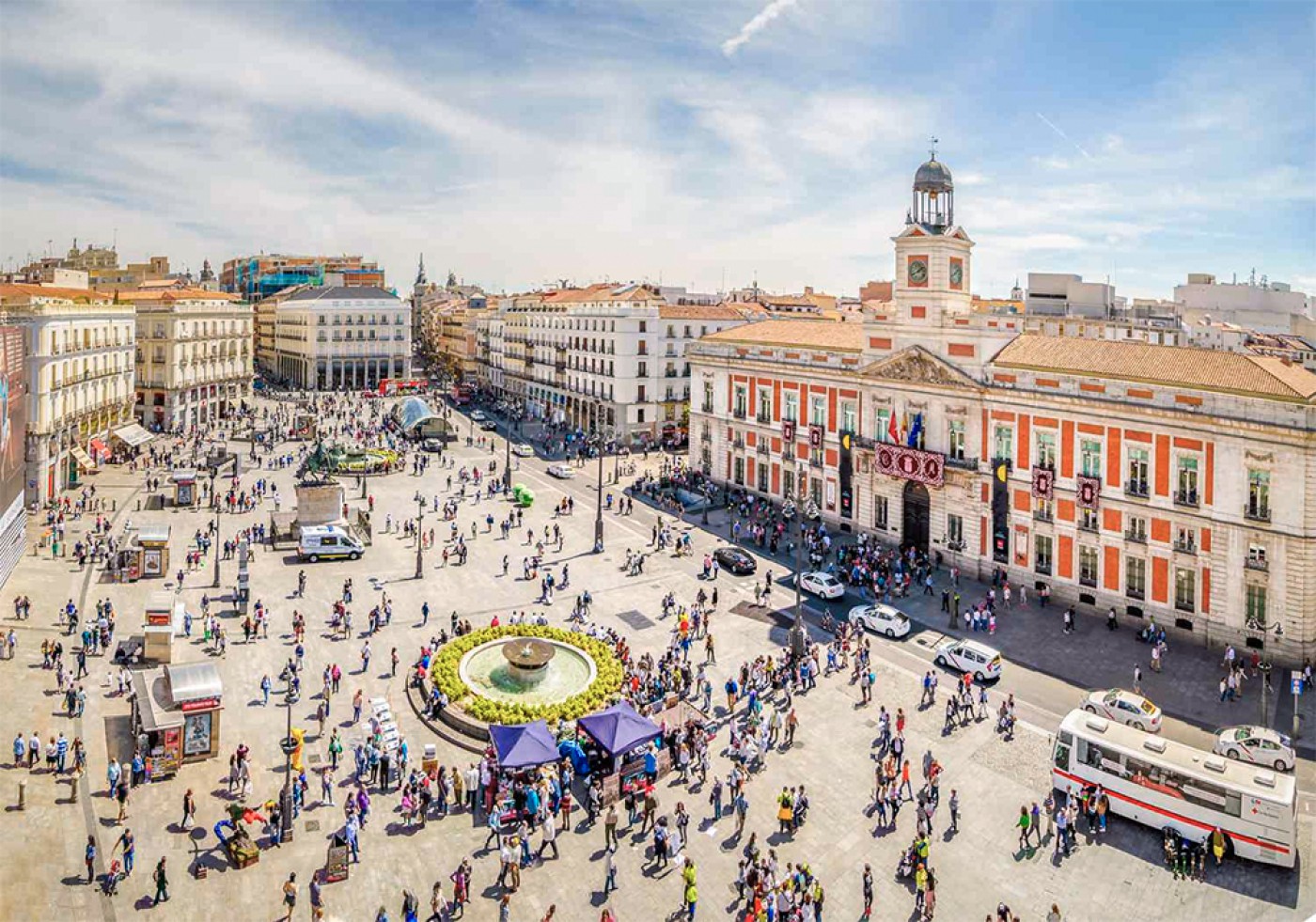
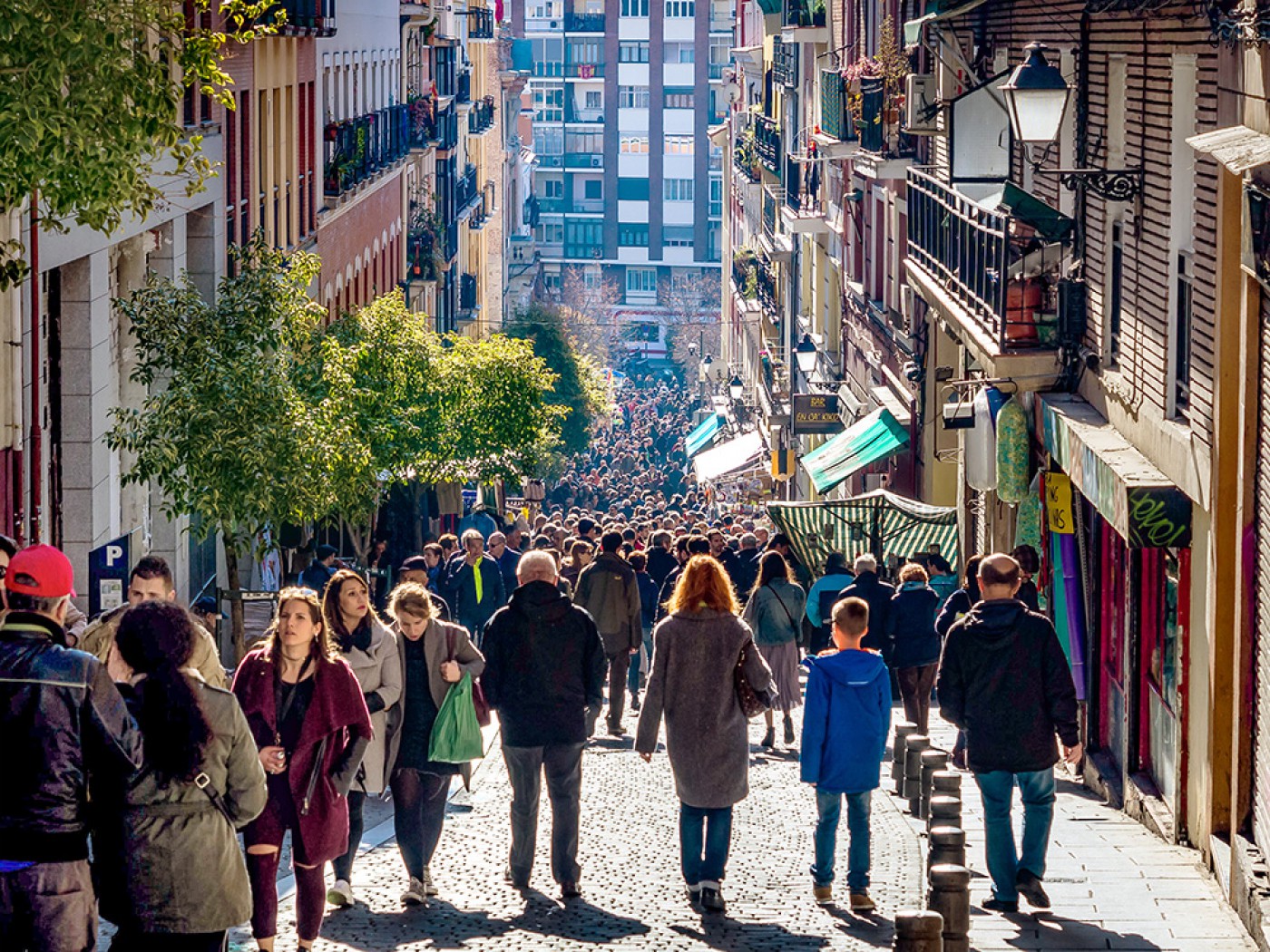
If you want to get a feel of the hustle and bustle of Madrid, head to this large public square. It is one of the busiest places in the city for tourists and locals alike. There's a handful of statues and monuments to check out and also plenty of places to grab a snack or a drink.
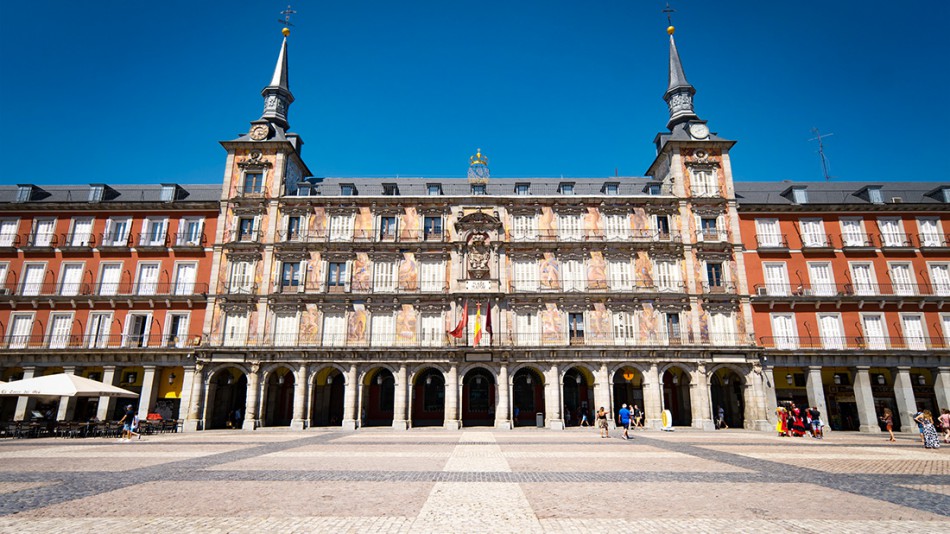
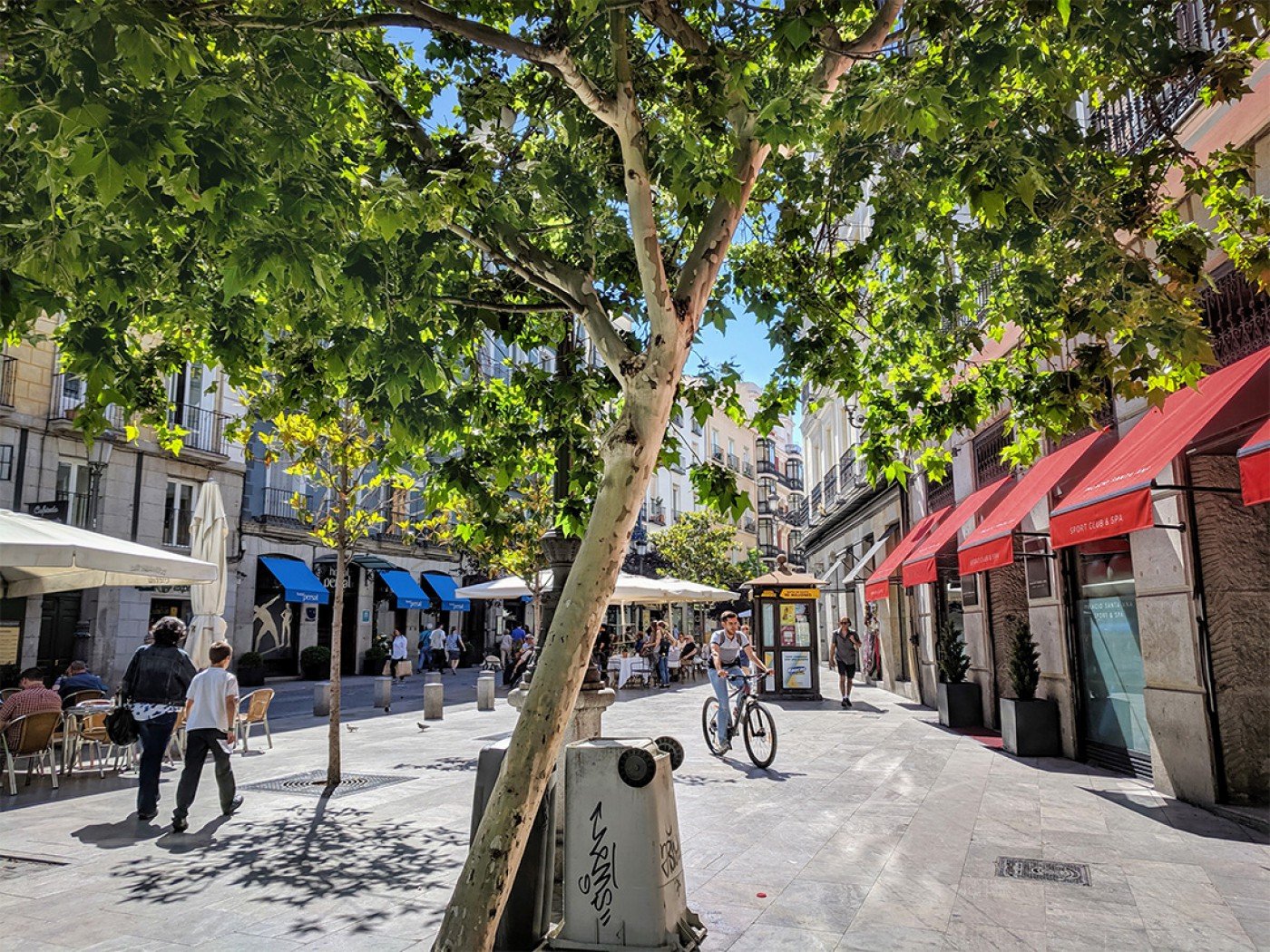
A hotspot for visitors, the main square is lined with souvenir shops, boutiques, bars, cafes and restaurants and is definitely worth a visit. You may also catch some live music from street performers while you're there!
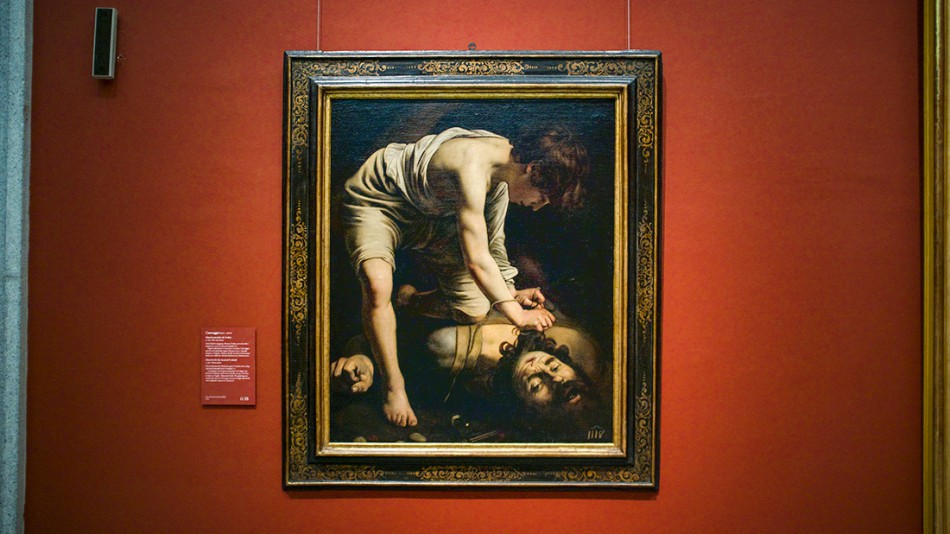
Museo del Prado boasts one of the largest collections of art in the world! The collection mainly consists of historic religious and royal works but also includes artwork from Spanish masters Goya and Velázquez. There's even a copy of the Mona Lisa from Da Vinci's workshop—without the crowds of the Louvre.
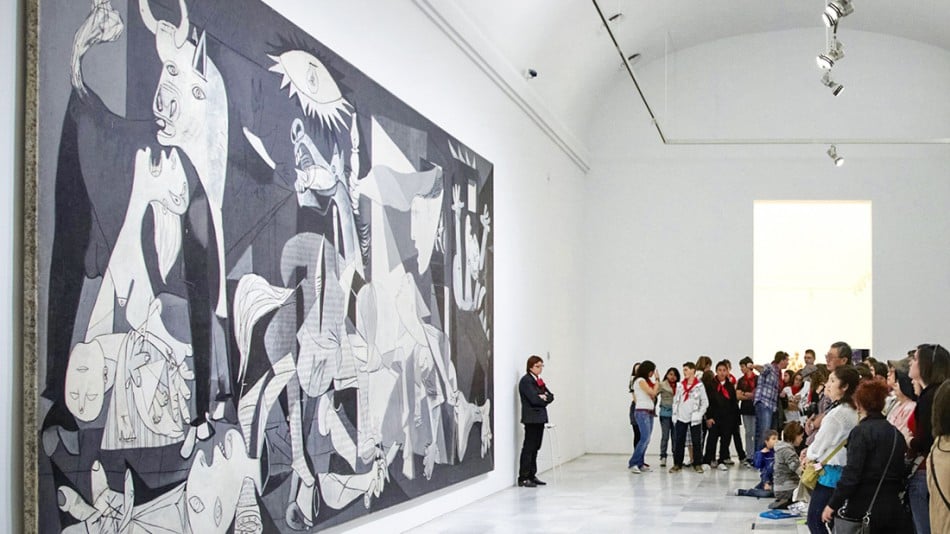
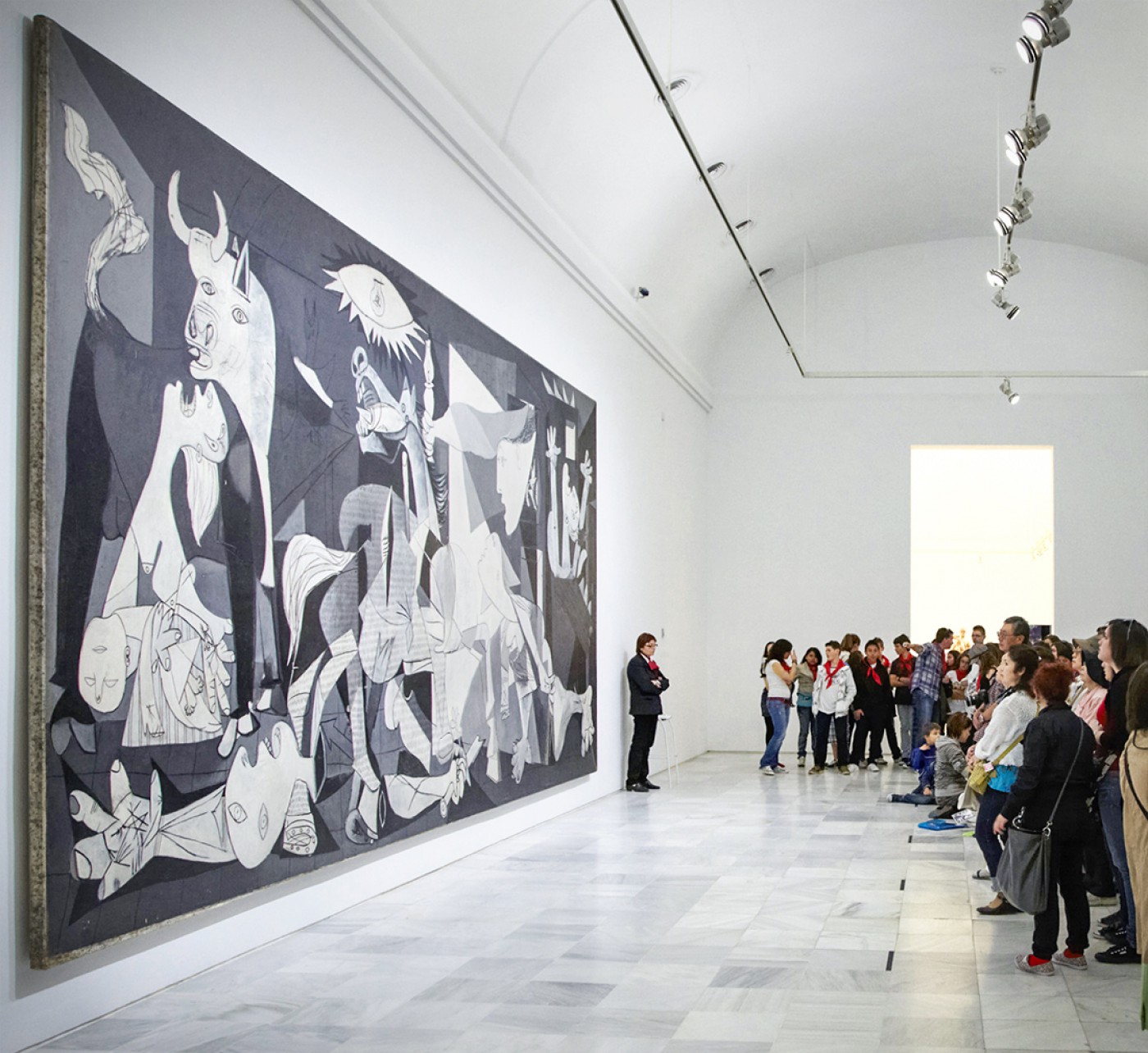
The home of 20th-century art, this museum features a mesmerizing collection, including paintings by Spanish-nationals such as Dalí and Picasso. You'll definitely want to get a look at the most impressive piece in the collection - Picasso's massive Guernica.
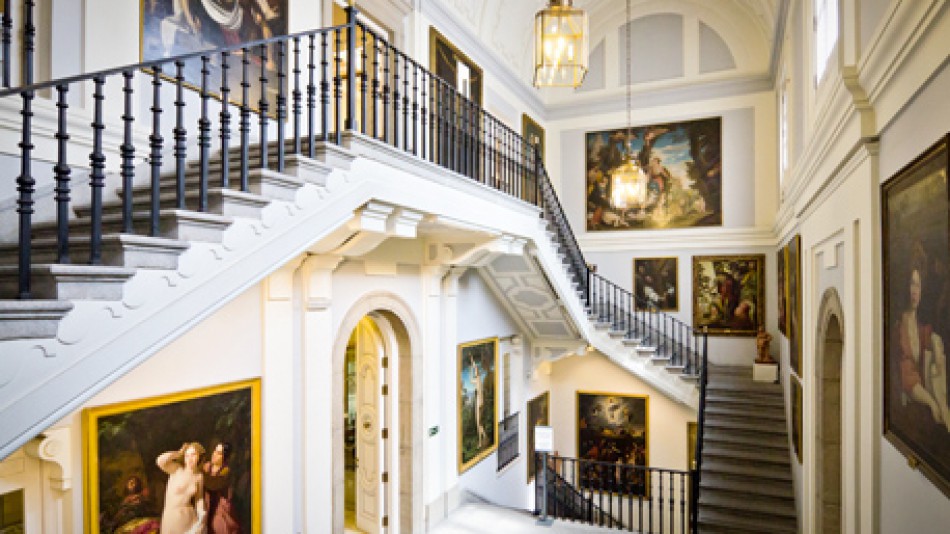
With a really interesting history as an academy for the arts, today the building is a museum housing a vast collection of artwork and sculpture. Amongst the most prominent features of the collection are 13 paintings by the master Spanish painter Goya.
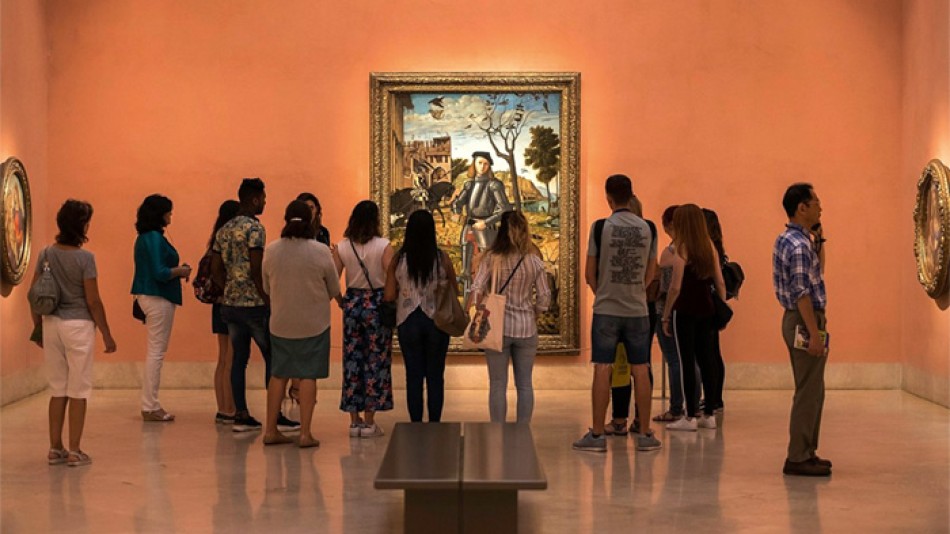
The Museo Thyssen-Bornemisza is a great choice to give your students an overview of works all the way from the Renaissance right through to the Pop Art movement thanks to its varied and expansive collection.
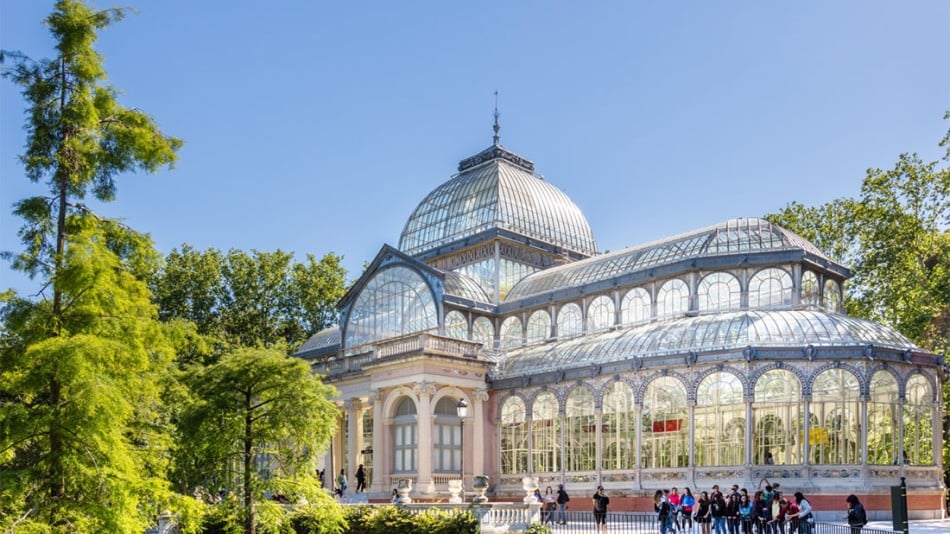
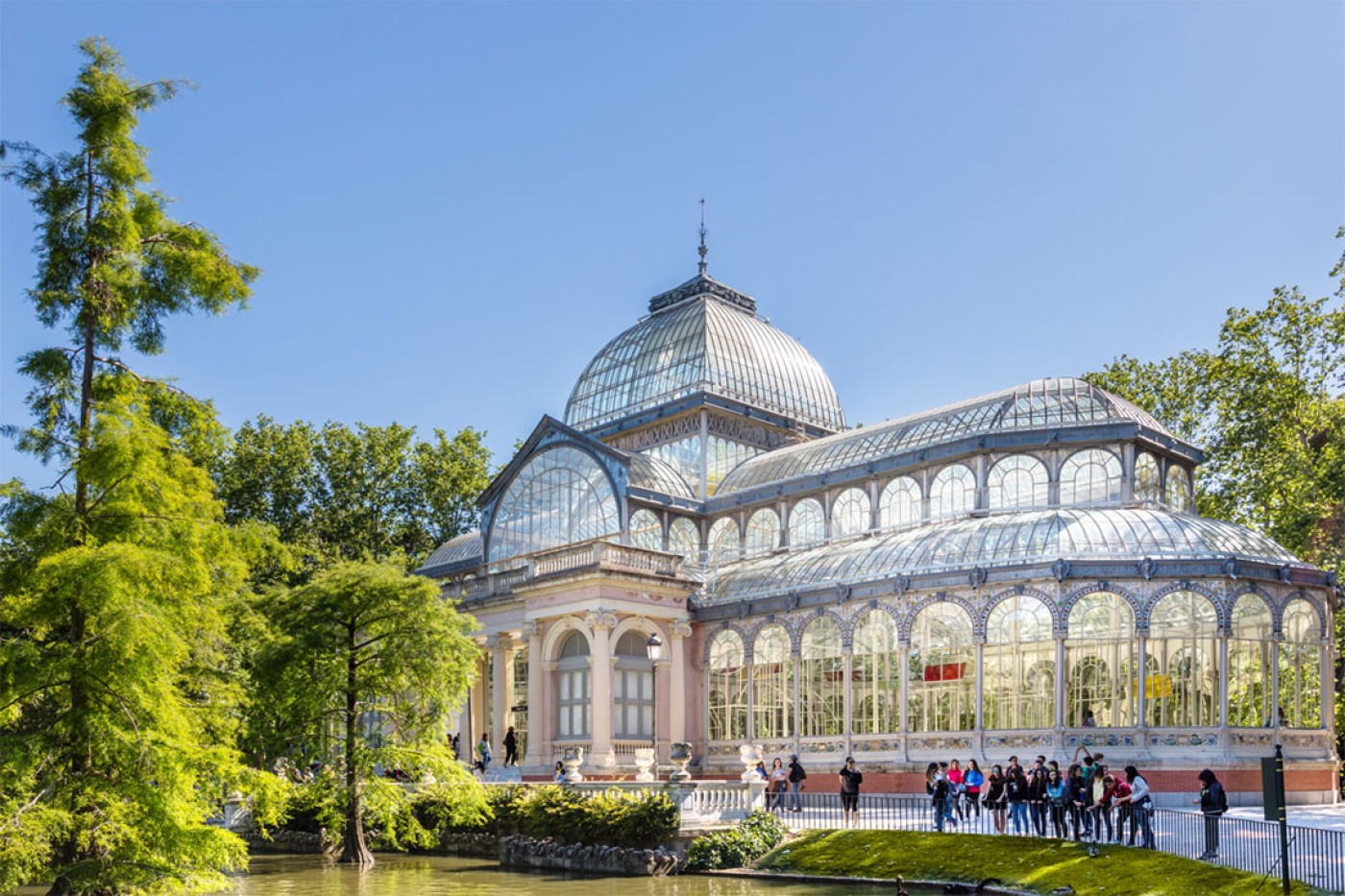
Found within the grounds of El Retiro park is this stunning example of cast-iron architecture. Previously a greenhouse for tropical plants, you'll now find temporary art exhibitions inside.
Our European school trips include:
Extras to budget for:
Feeling inspired?
Check out one of our school groups in Madrid. Next time it could be you!

Cross-curricular school trip to Barcelona
With so much to see we'll help you choose the best experiences for your students

Spanish language school trip to Spark, Andalucía
Immerse your students in Andalucían culture with guided visits, excursions to cities like Seville & Spanish lessons led by a native-speaking monitor

Spanish language school trip to Arbolar, Murcia
Speak Spanish & try out watersports on this popular beach-side programme led by our Arbolar team of language and watersports instructors

Spanish language school trip to Mas Pagès, Girona
Enjoy an adventurous stay at the Mas Pagès centre in Girona & enjoy cultural Spanish excursions with your group's own native-speaking monitor