You are here: Home / Educational school tours around the world » School trips to Italy » Bay of Naples school tour
superb scenery and heart-stopping heritage
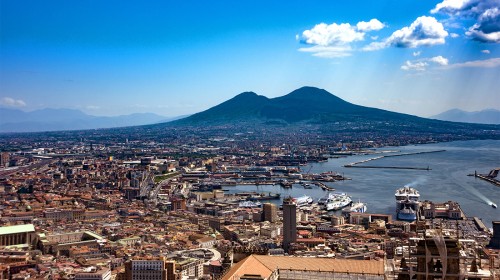
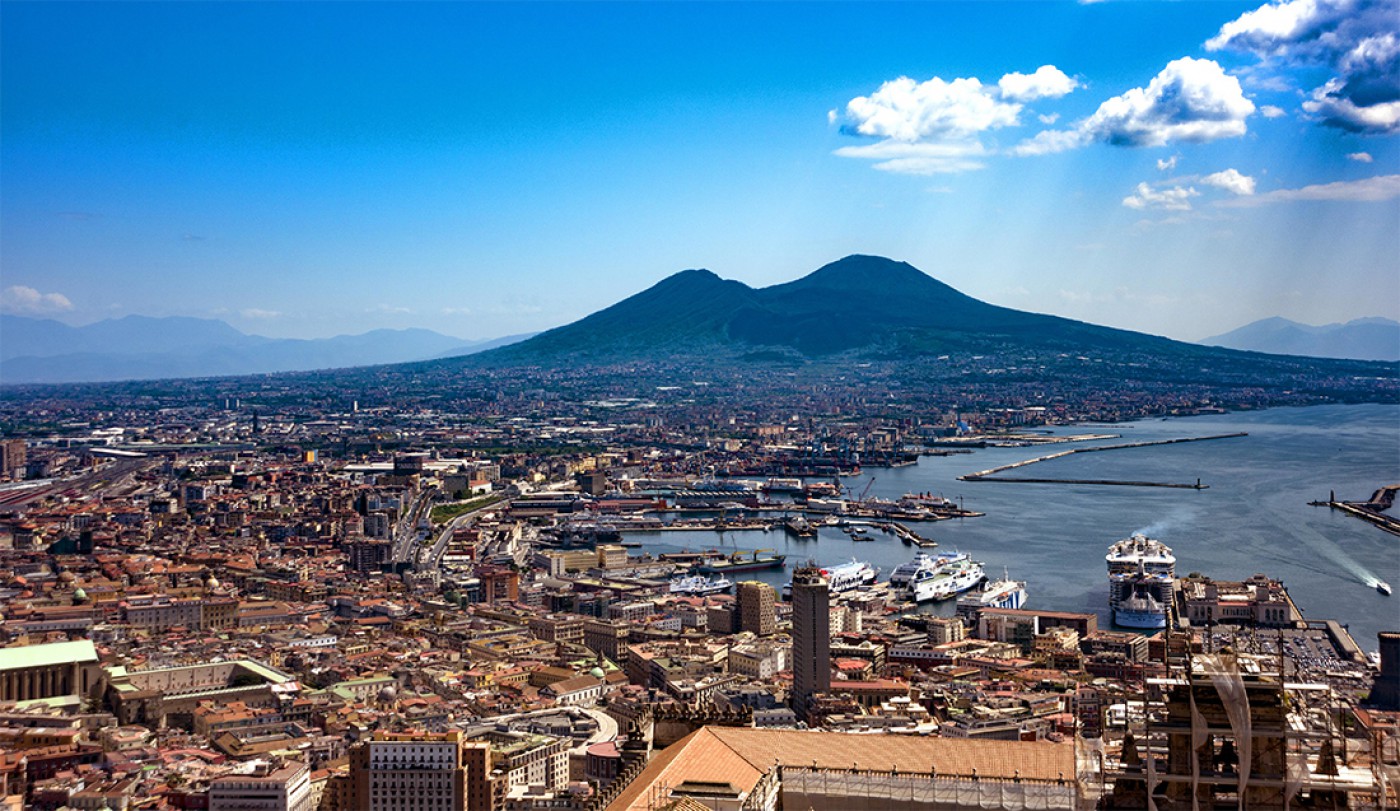
A trip to the Bay of Naples is a wonderful combination of spectacular coastline and world famous archaeological sites. Dominated by the summit of Mount Vesuvius, one of the few active volcanoes in Europe.
The region was first settled by the Greeks and then the Romans. The abundance of classical ruins and breathtaking scenery draws schools back to the region every year. A visit to the Bay of Naples is ideally combined with a visit to Rome to get the full flavour of this culturally rich and varied country.
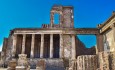
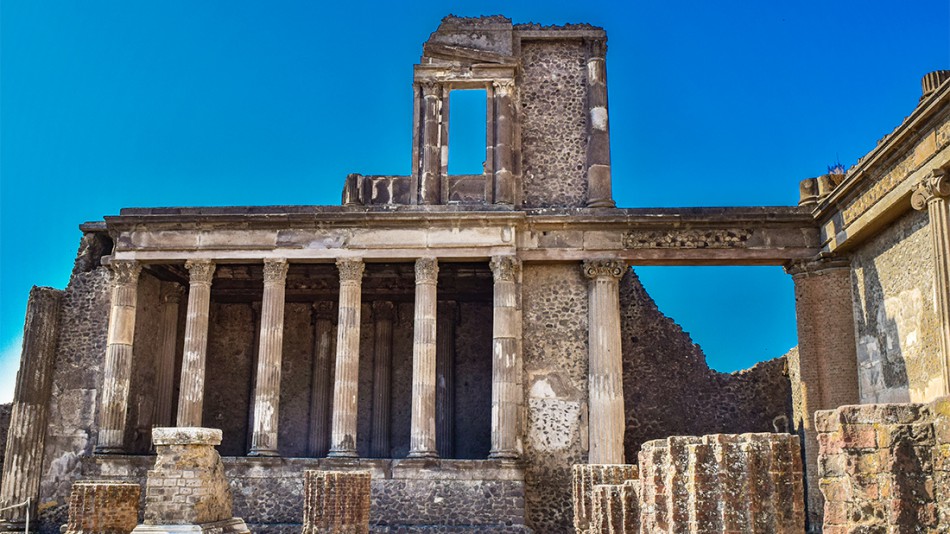
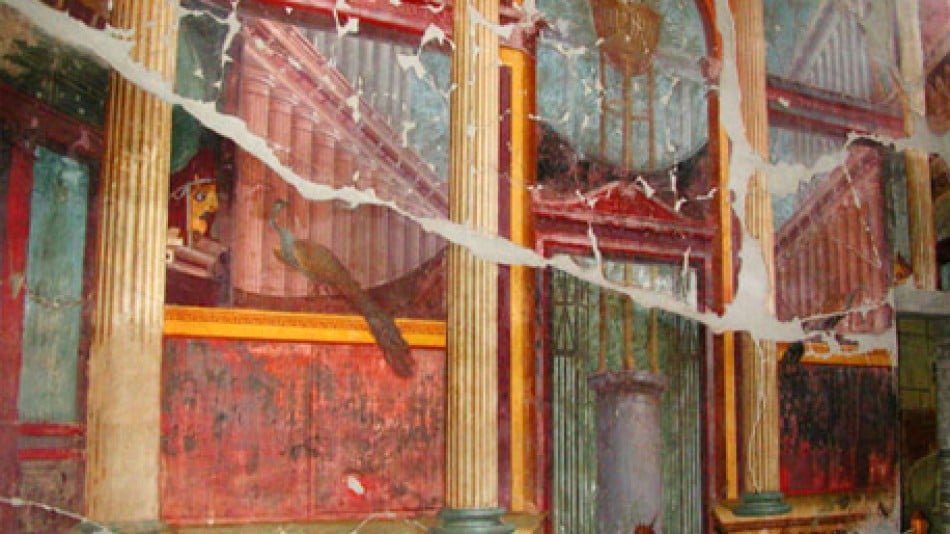
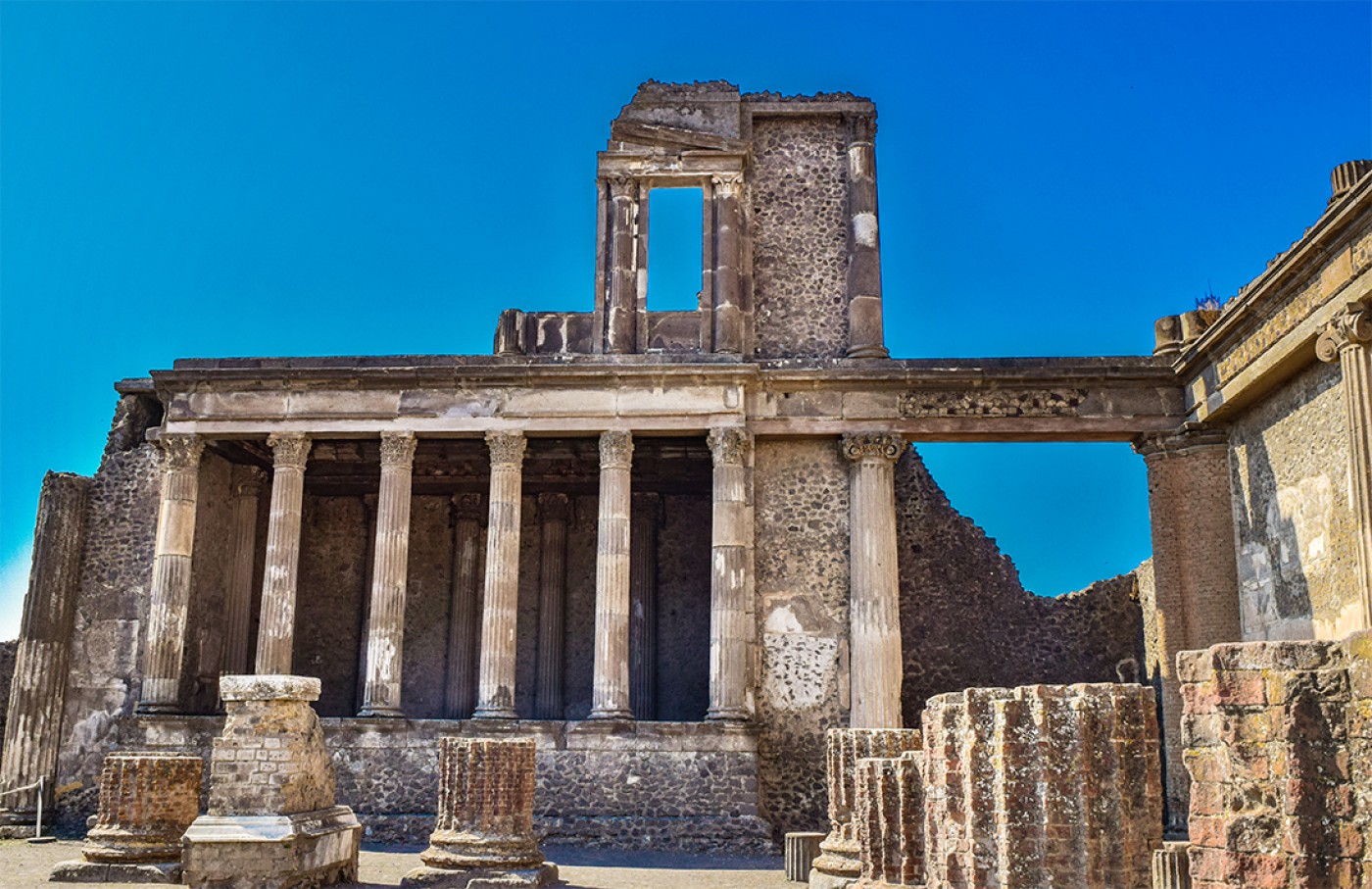
Pompeii, possibly the best preserved of ancient cities, is a must-see for any school excursion visiting the Bay of Naples. The eruption of Mount Vesuvius on 24th August 79 AD left an entire society buried deep under a crust of ash, mud and molten-hot lava. Over the past two centuries excavations have allowed us to find out more and more about not only the volcano's devastating eruption, but also about the lives of the people who suffered; their habits, their interests and their way of life. Visit the houses that the Pompeii people dwelled in (from the very rich and noble to the very poor and low-born), the Temples they worshipped in, the Thermal Baths where they socialised and the amphitheatres where they were entertained. See the sculptures, paintings and mosaics to get an idea of the kind of art work they were producing and the issues that preoccupied them. A visit to Pompeii along with a trip to the National Archaeological Museum of Naples will provide you and your students with a well-rounded insight into Pompeii's fascinating history. For an even more in depth understanding of the events that went on in Pompeii read a translation of the young Pliny's eye-witness account before you go. Entrance is free for school groups with a reservation and a list of names on school letterhead.
The Villa Oplontis, located near the city of Naples and Pompeii, is thought to be the home that once belonged to Poppaea Sabina, who eventually became the wife of Emperor Nero. It was originally built in the style of a Roman atrium house, but was extended during the reign of Nero to include a large outdoor swimming pool. It was still undergoing further developments when it was subsumed in lava during the Vesuvius eruption of 79 AD. Unlike Pompeii, excavations of Villa Oplontis did not begin in earnest until the 1960s. Entrance is free for school groups with a reservation and a list of names on school letterhead.
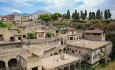
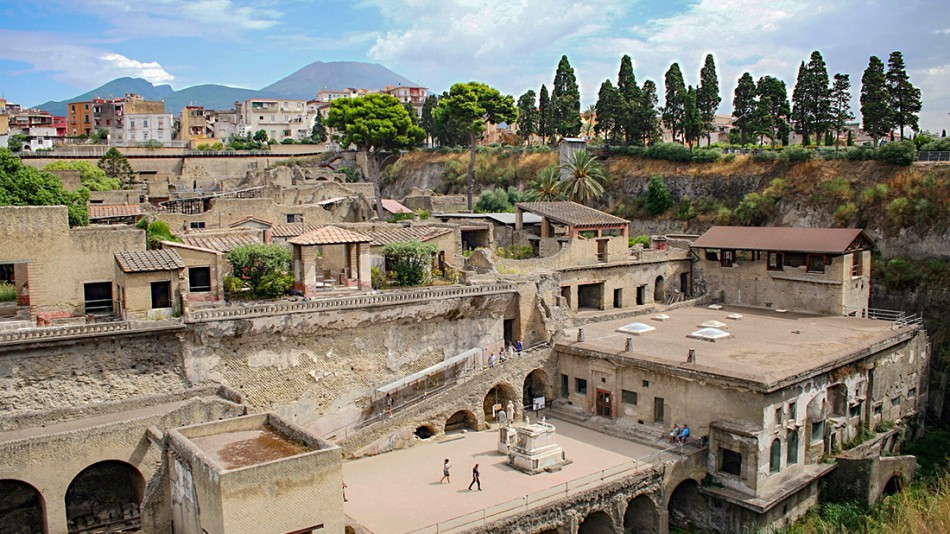
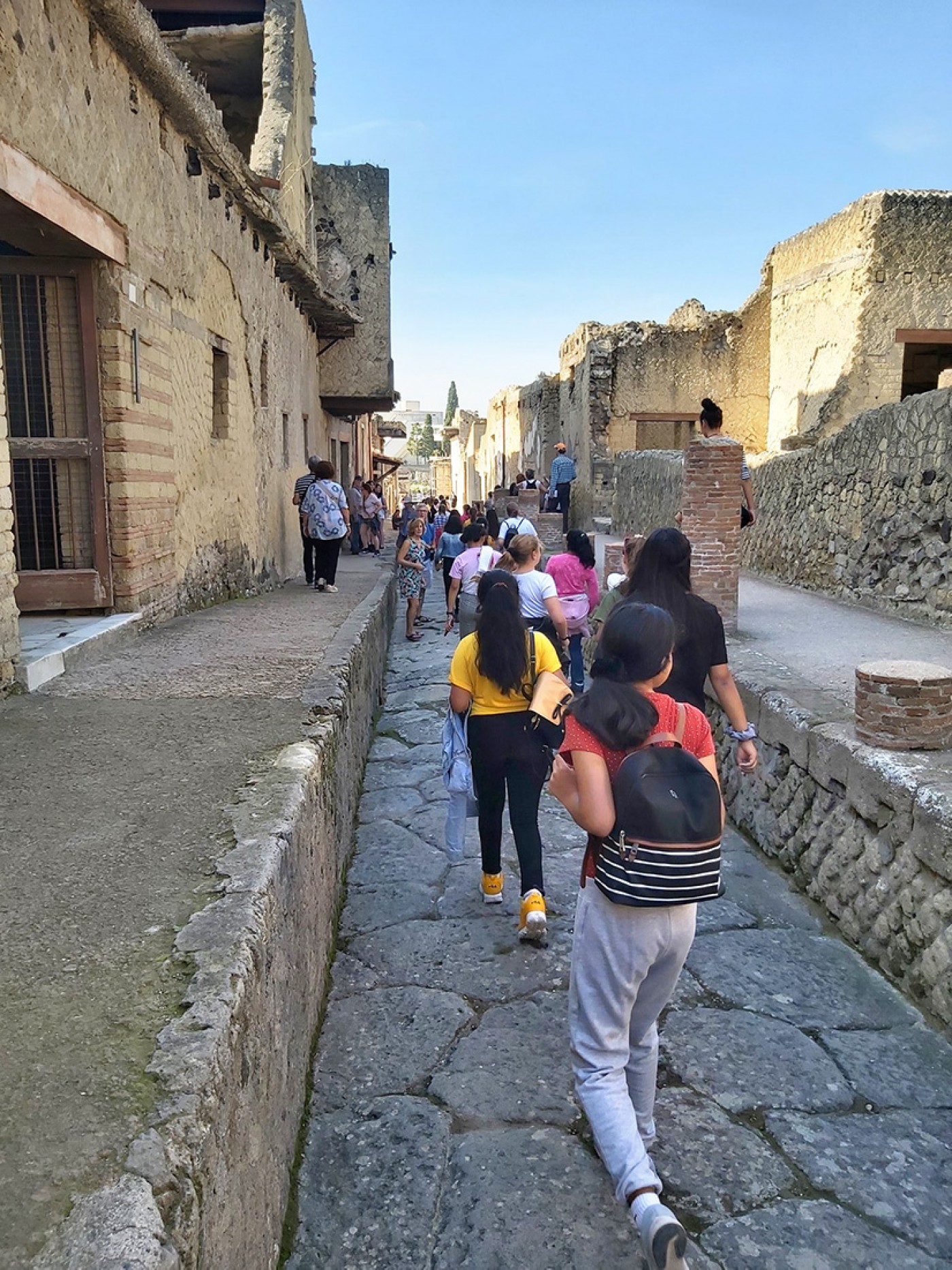
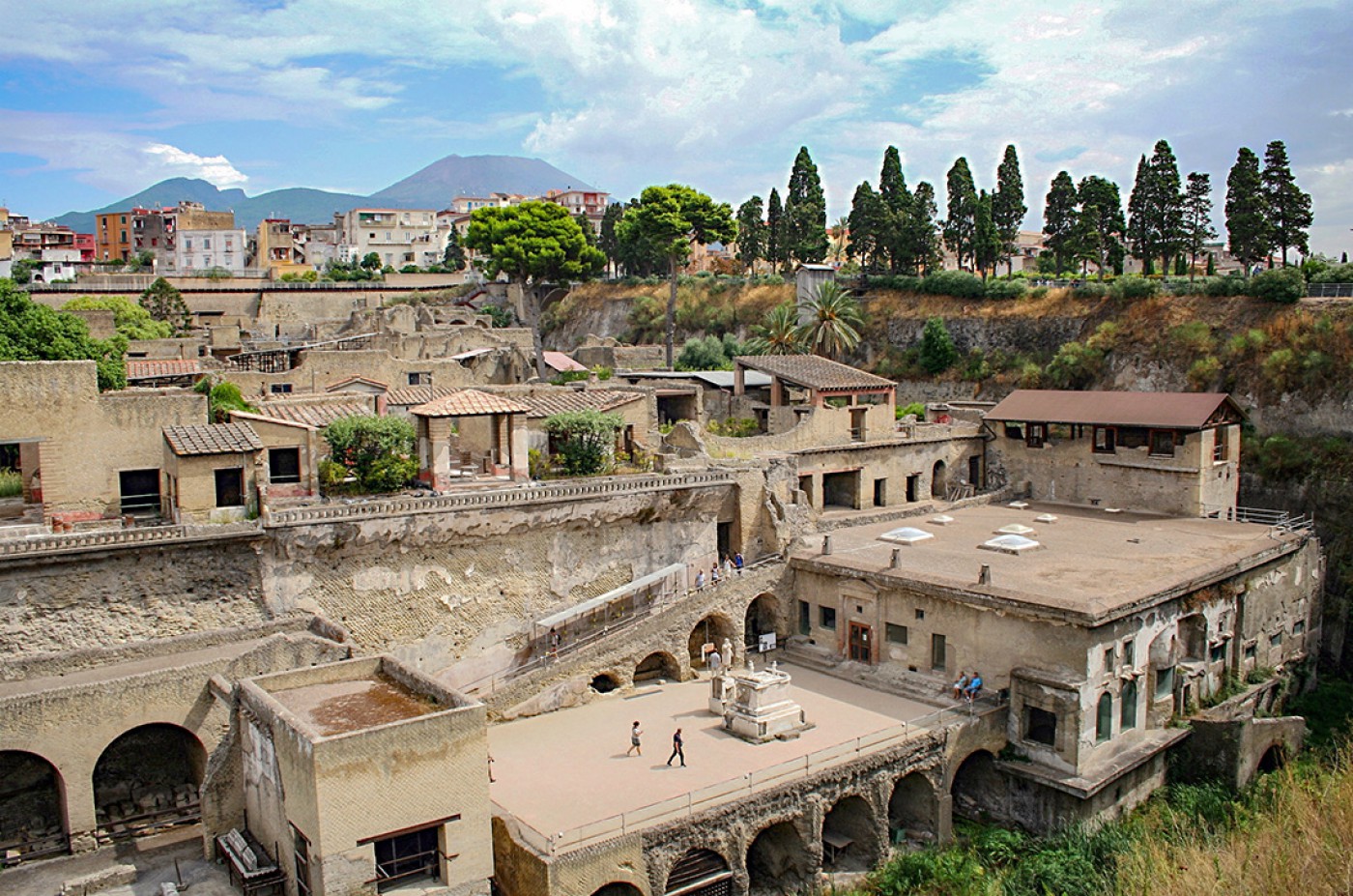
Although, not as big as its brother city, Pompeii, Herculaneum is in far better condition because the structures were preserved in mud rather than volcanic ash, leaving the town in an even better state than Pompeii, and for that reason it is often the preferred choice for students and teachers. A relatively recent excavation discovered a set of scrolls which could possibly tell us a great deal more about Herculaneum's history, but they are so delicate that they take four years to unroll! Entrance is free for school groups with a reservation and a list of names on school letterhead.
Initially founded by Greek colonists, in 326BC, when the Romans claimed the city for themselves it became the St. Tropez of Italy amongst the most wealthy and noble Romans.
Visit the National Archaeological Museum which houses sculptures, mosaics and frescoes from Pompeii and Herculaneum and is the largest and most important archaeological museum in Europe. The building itself has an interesting history; built in 1585, it was first used as a cavalry barracks, before becoming a university headquarters in 1612. The centre of the attraction is the mosaic from Casa del Fauno which consists of an incredible 1.5 million little pieces and depicts a battle between Alexander the Great and the Persian King Darius III. A trip to the National Archaeological Museum will greatly enhance your students' understanding of Pompeii and Herculaneum.
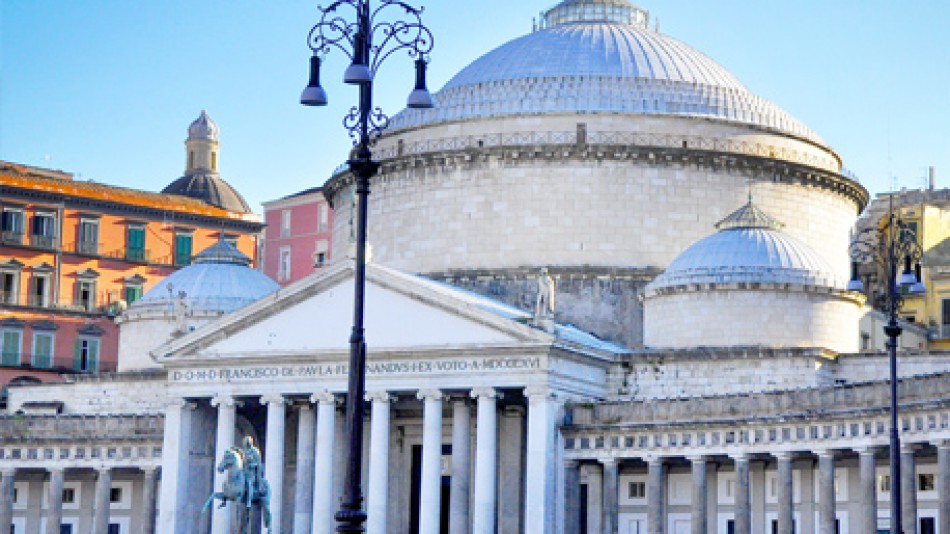
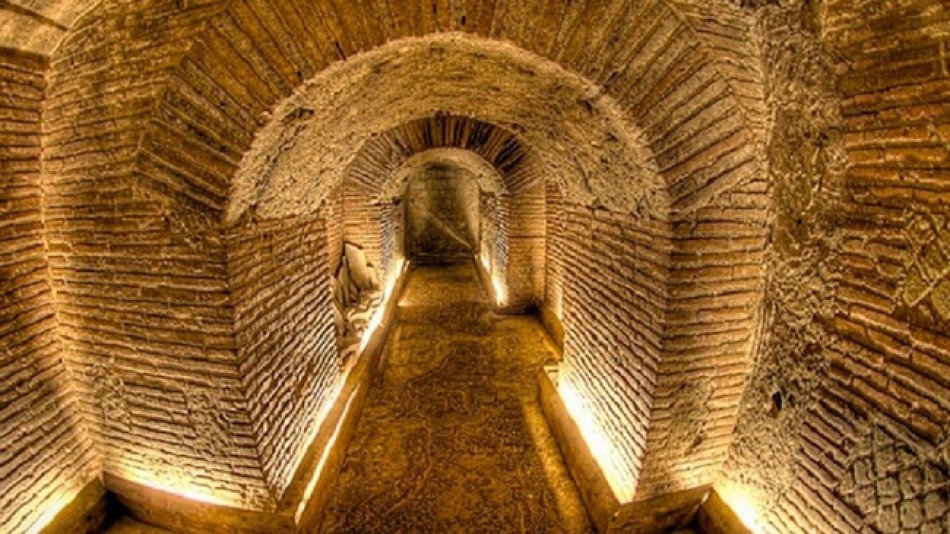
The Old Town of Naples with its narrow streets is definitely worth a walk-around and, if you can, visit the Cathedral where traditional services, featuring incense burning, are still led by monks. Generally known as the "Duomo" this 13th century Gothic cathedral dedicated to San Gennaro (Naples' patron saint), is supposed to house the saint's relics in the form of two vials of his coagulated blood. A huge festival is held on September 19th when the vials are removed from storage and thousands of worshippers come to watch the blood miraculously liquify. On one side of the cathedral is the 4th century Basilica Santa Restituta, the oldest church in Naples, with beautiful ceiling frescoes and columns believed to be from the Temple of Apollo.
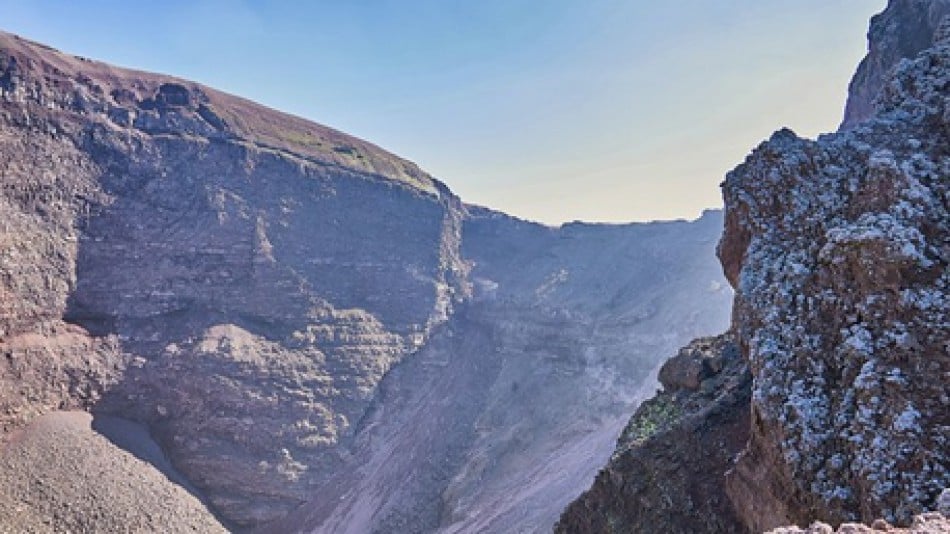
Mount Vesuvius is the only Volcano on mainland Europe to have erupted in the past 100 years (1944), although at the moment it is currently dormant. In 1995 it was declared a National Park, and visitors are now welcome to walk up to the incredible crater and access beautiful views over the bay. Remember to take a jumper as it can get quite cold at the top. A fee of 4,50€ is payable on arrival, but this includes an English speaking guide.
Campi Flegri, also known as the Phlegraean Fields is a 13km wide caldera, formed by the collapse of land following a volcanic eruption. It lies mostly under water and comprises 24 craters and volcanic edifices. Located to the West of Naples means this geographical wonder can be easily combined with a day in the city.
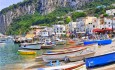
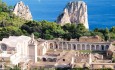
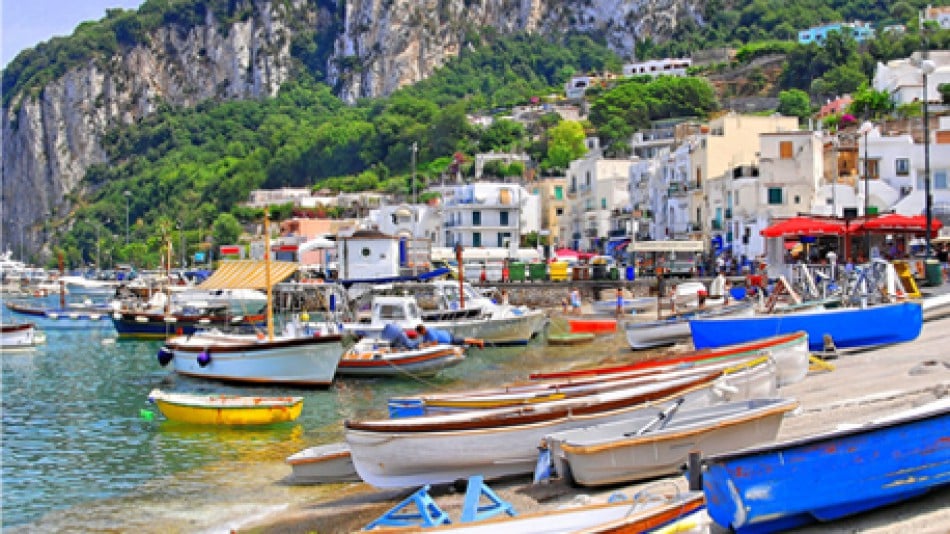
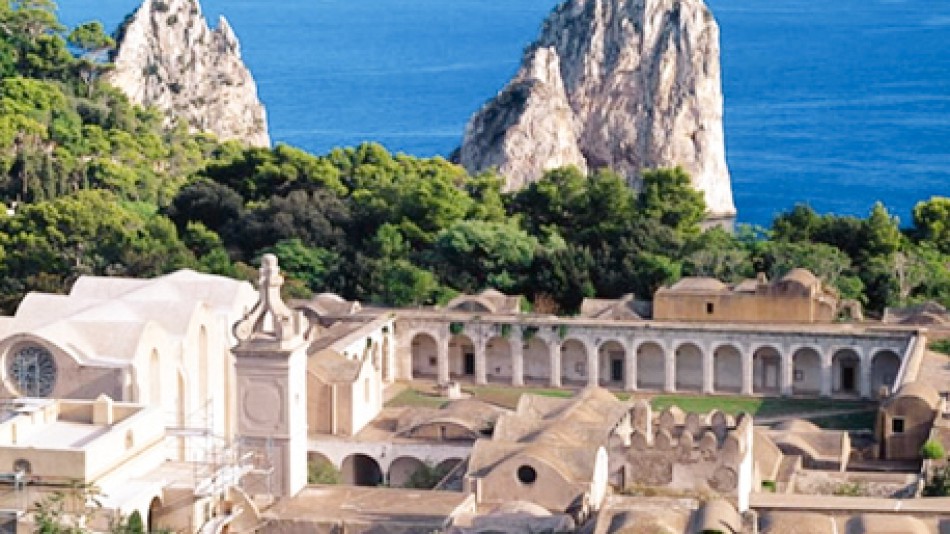
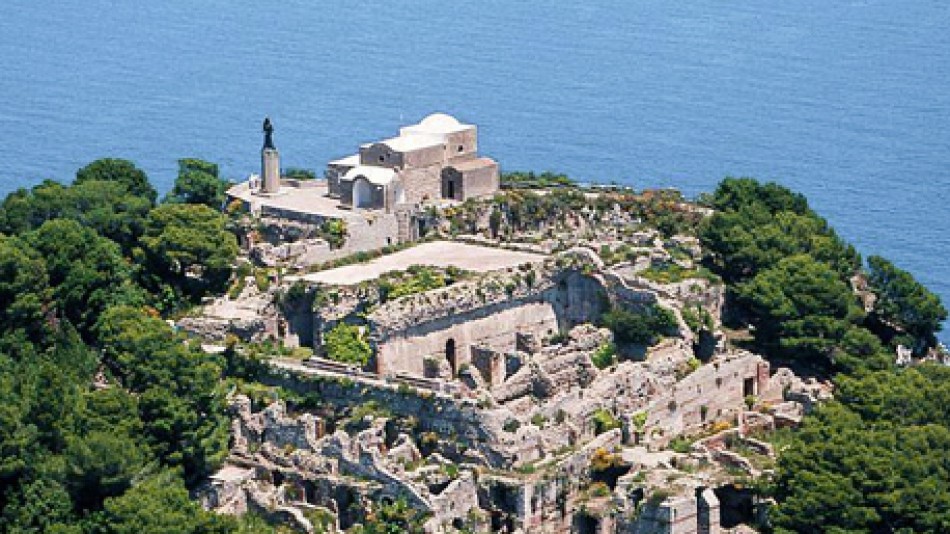
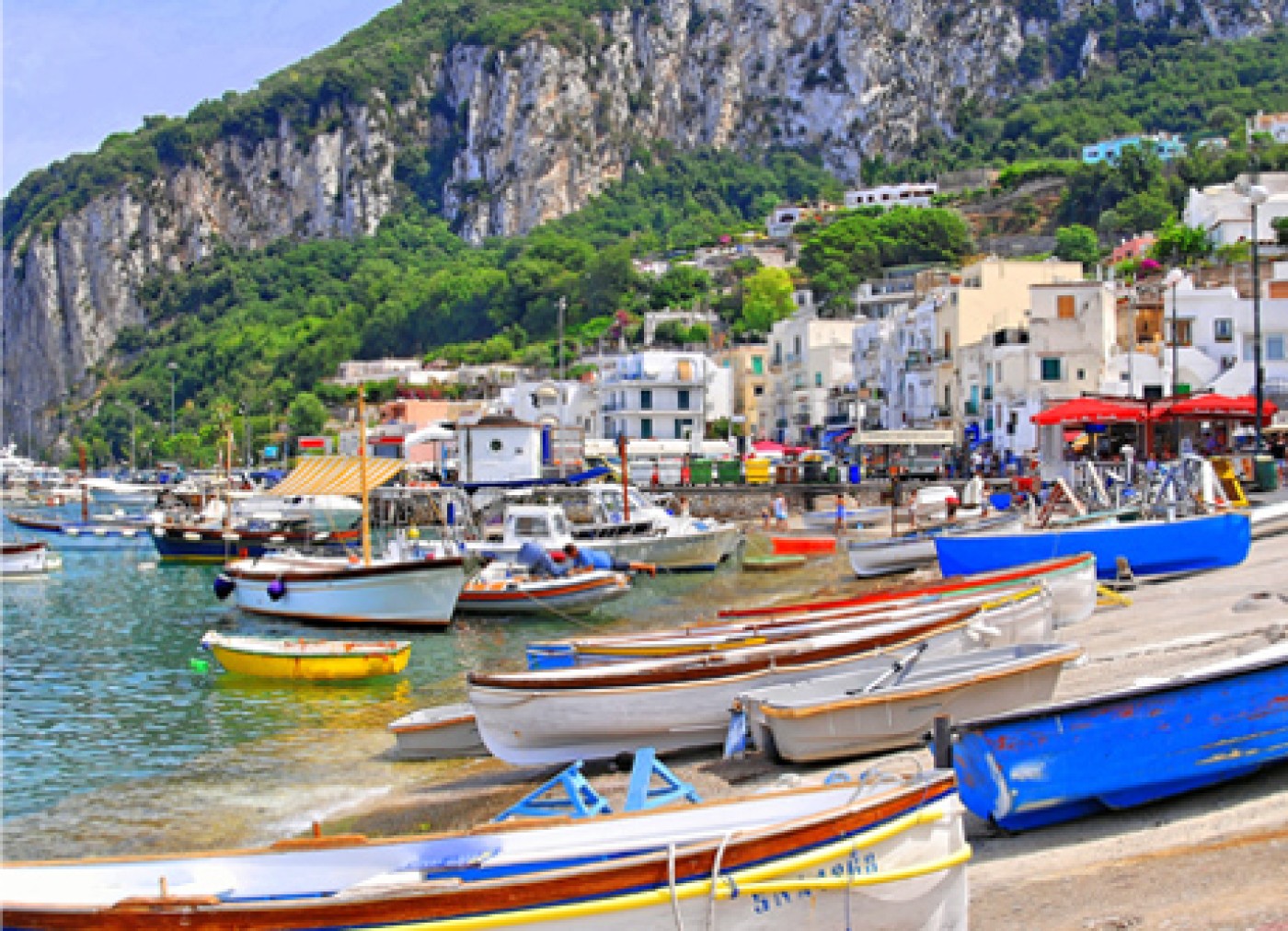
Take a boat or a speedy hydrofoil over to the beautiful island of Capri where depending on the state of your purse, you can indulge in some expensive shopping, or window shopping, and Classicists can visit Villa Jovis and Certosa di San Giacomo. Villa Jovis was the Emperor Tiberius' most impressive island residence. Its position, on the cliffs of Capri, promised the potentially vulnerable Emperor both privacy and security and a considerable portion of the original villa remains. At the end of the avenue, which leads to the villa, is the infamous "Tiberius' Leap," where, according to legend, disobedient servants and others who displeased the Emperor, were pushed off the cliff! Too small to get lost in, yet big enough to spend a day there, the stunning island of Capri has something for everyone.
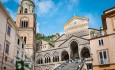
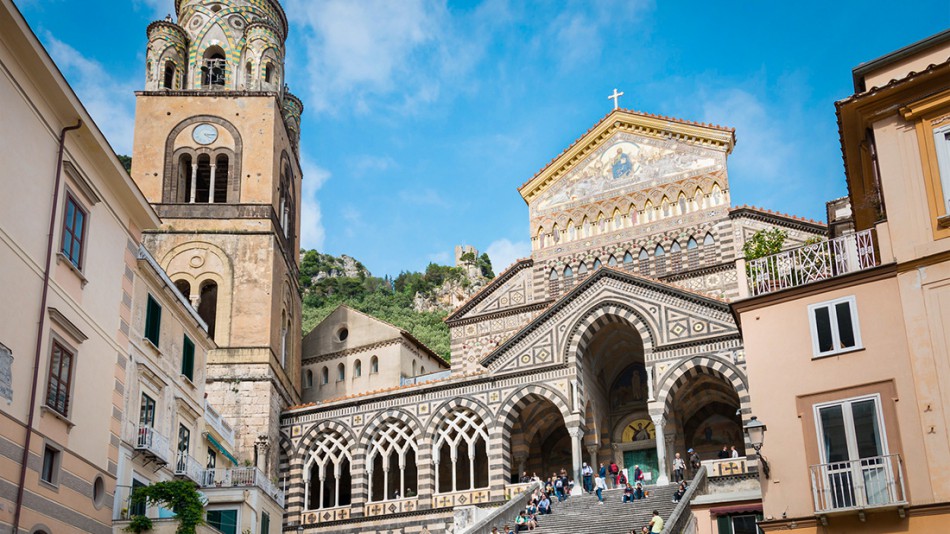
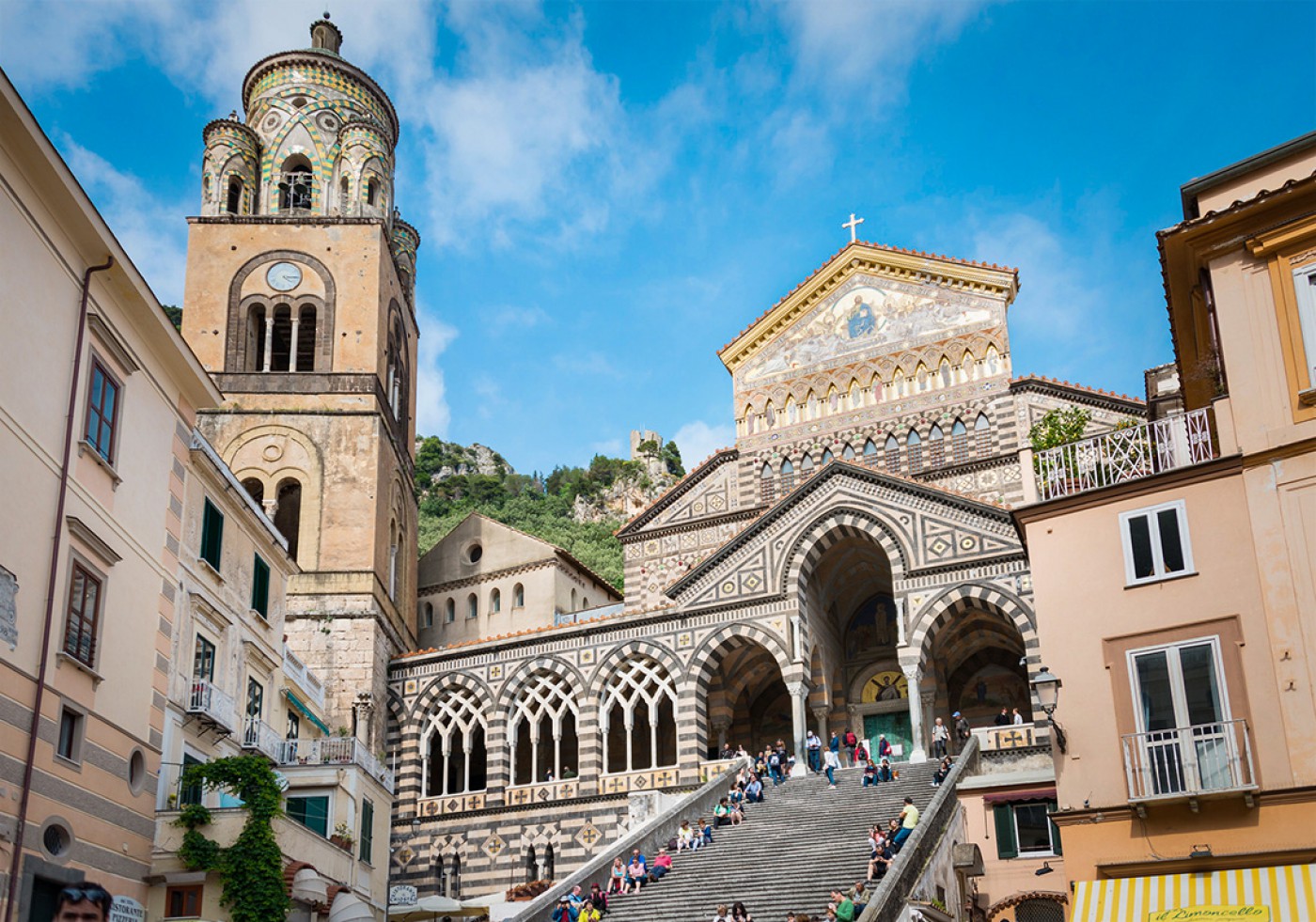
The Amalfi coast offers some of the most spectacular scenery in Italy. Where mountains plunge into the sea, charming coves, deep fjords, natural bays and stone arches all come together to present you with one of UNESCO's most sought-after locations and is unsurprisingly connected with the land of the Sirens in Homer's "Odysseus." In Amalfi itself go to the Cathedral whose Arab-Norman facade dominates the Piazza Duomo. The highlight of a Cathedral visit is not inside, but rather in its Chiostro del Paradiso, a Moorish-style cloister with a lush tropical garden.
The 12th century Villa Rufulo in Ravello is also a popular visit along the Amalfi coast. It used to belong to the rich and powerful Rufolo family and has had numerous impressive guests, including Pope Adrian IV. The gardens are usually the most popular aspect of the destination and the architecture is always admired because of its interesting Arab influences.
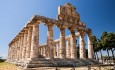
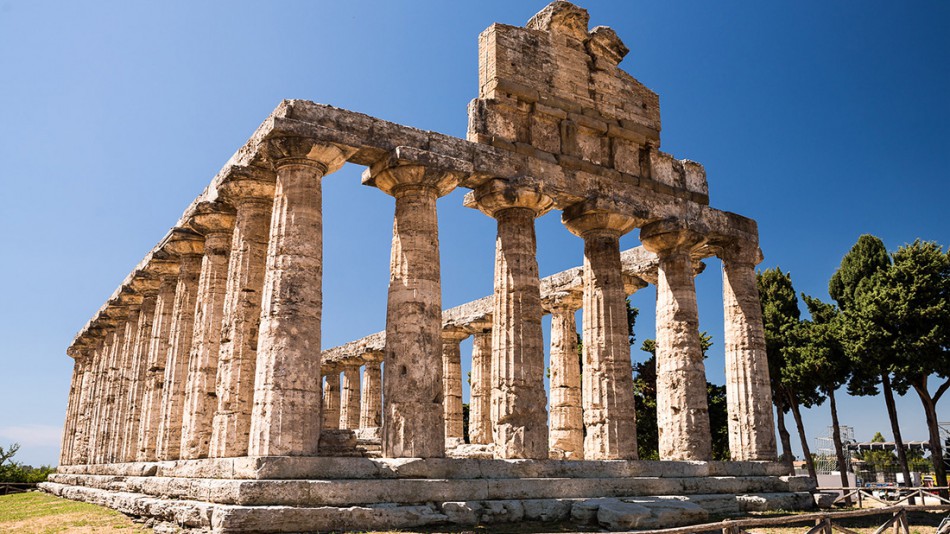
Founded in 6th Century BC, Paestum is one of Italy's most important archaeological sites. The Temples of Paestum are definitely worth a visit, particularly for Classicists, and for those taken by German literature, you may be interested to know that Goethe visited them in March 1787, thirty years after they were discovered, and was most impressed.
Day 1
Day 2
Day 3
|
Day 4
Day 5
|
Day 6
Day 7
|
Back to top